
Top China Trade Trends to Watch Out for in 2026
December 18, 2025
What does a China Sourcing Agent really do ?
December 22, 2025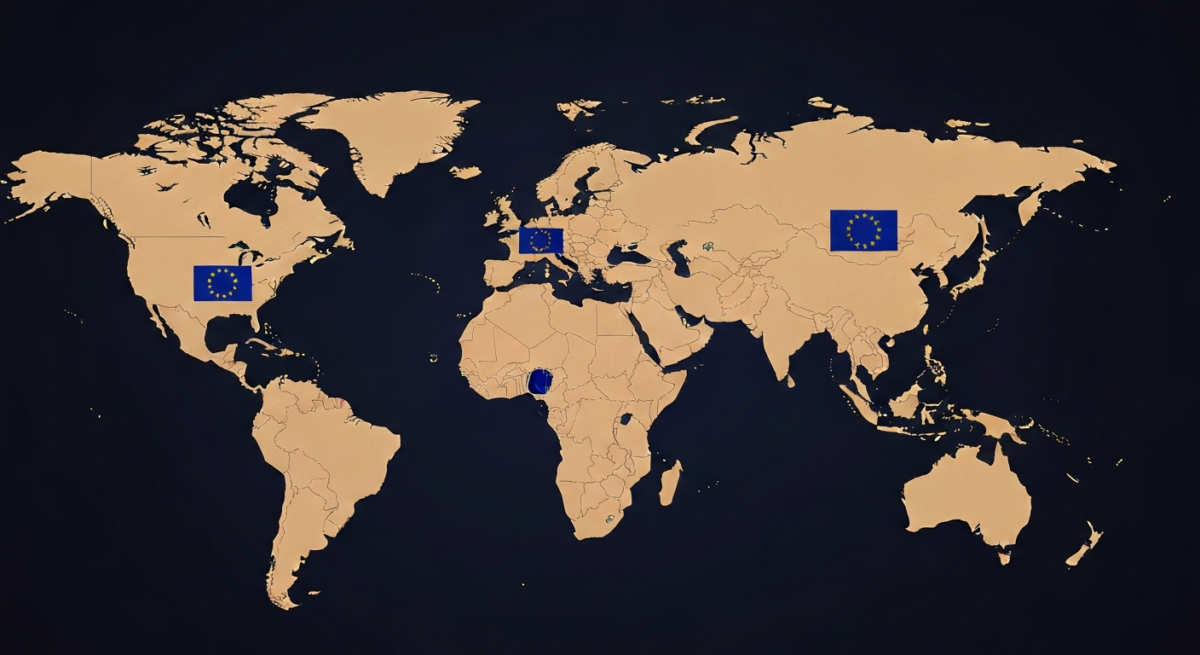
Key Highlights
Here is a quick look at what you need to know about the EU’s Carbon Border Adjustment Mechanism (CBAM):
- The CBAM is a carbon border adjustment tariff on certain goods imported into the European Union.
- Its main goal is to prevent “carbon leakage,” where companies move production to countries with less strict climate policies.
- The price of CBAM certificates is linked to the weekly average auction price of EU ETS allowances.
- A transitional phase for reporting began on October 1, 2023, without financial obligations.
- The European Commission will require importers to purchase and surrender certificates starting in 2026.
Introduction
The European Union has introduced a groundbreaking policy, the EU CBAM regulation, set to reshape global markets. As a core part of the EU’s Green Deal, this mechanism addresses the risk of companies relocating to regions with weaker environmental laws. For businesses involved in international trade, understanding this regulation is crucial. It brings new compliance rules and financial considerations that will affect supply chains and pricing, creating a new standard for climate action in global trade.
Overview of the EU CBAM Regulation
The Carbon Border Adjustment Mechanism, or CBAM, is essentially a tariff on imports. The European Commission designed this tool to hold non-EU manufacturers accountable for the greenhouse gas emissions produced when creating goods for the EU market. It ensures that the carbon price for these imports matches what European producers pay.
This approach encourages more sustainable production practices worldwide. By leveling the playing field, the CBAM supports global climate action and prevents domestic producers from being disadvantaged by the EU’s own carbon pricing policies. The next sections will explore the history of this regulation and its latest updates.
History and Main Objectives of CBAM
A key challenge in implementing climate policies is “carbon leakage.” This happens when businesses move carbon-intensive production to countries with less stringent environmental rules. This move not only undermines the EU’s emission reduction efforts but also increases global emissions. Research shows that for every ton of CO₂ reduction in the EU, about 0.19 tons can “leak” overseas.
The primary objective of the CBAM is to prevent this leakage. By placing a carbon price on certain imports, the European Commission ensures that foreign producers face similar costs as their EU counterparts. This creates fair competition and removes the incentive to relocate production based on weaker climate policies.
Ultimately, the CBAM is a vital part of the EU’s “Fit for 55” package. This package aims to reduce greenhouse gas emissions by at least 55% by 2030 compared to 1990 levels. The regulation promotes cleaner industrial production globally, aligning international trade with ambitious climate goals.
Recent Updates and Legislative Developments
Recent legislative developments have put the CBAM into motion. The European Parliament has finalized the rules, and the system is now in its initial phase. An important step was the adoption of the Implementing Regulation, which outlines the rules for the transitional period.
This period is designed to ease businesses into the new system. Key recent updates include:
- The start of the transitional phase on October 1, 2023.
- The first quarterly report for importers was due by January 31, 2024.
- The launch of the CBAM Transitional Registry to help importers manage their reporting obligations.
These developments signal that the framework is moving forward as planned. The European Commission is focused on gathering data and fine-tuning the process before financial obligations begin, ensuring a smooth transition for all parties involved.
How the EU CBAM Mechanism Works
The CBAM system operates on a straightforward principle. EU importers are required to purchase carbon certificates that correspond to the embedded emissions of their imported goods. The price of these certificates mirrors the carbon price that would have been paid if the goods were produced under EU rules.
To manage this process, importers must register as authorized CBAM declarants through a central CBAM Registry. They are responsible for declaring the emissions in their imports and surrendering the correct number of certificates each year. The following sections will explain how this connects to existing systems and how the tax is calculated.
Link to the EU Emissions Trading System (EU ETS)
The CBAM is directly connected to the EU Emissions Trading System (EU ETS), which has been the EU’s main tool for carbon pricing since 2005. The EU ETS caps emissions for certain industries and requires companies to hold allowances for their emissions. To prevent carbon leakage, some sectors received free allowances.
However, these free allowances are being phased out. The CBAM will progressively replace them, ensuring a consistent approach to carbon pricing for both domestic and imported goods. As the number of free allowances declines, the CBAM will create a level playing field.
The price of CBAM certificates is calculated based on the weekly average auction price of EU ETS allowances. This direct link ensures that importers pay a carbon price equivalent to that faced by EU producers, strengthening the EU’s overall climate strategy and commitment to reducing greenhouse gas emissions.
Carbon Import Tax Calculation and Compliance Process
Calculating your obligations under the carbon import tax involves a clear, multi-step process. First, you must determine the total embedded emissions in your imported goods. Then, you purchase the corresponding number of CBAM certificates.
The compliance process is designed to be transparent. A crucial feature is the ability to deduct costs if a carbon price has already been paid in the country of origin. This prevents double taxation and ensures fairness. You must provide proof that a carbon price was effectively paid to claim this deduction.
The annual process involves declaring your imports and surrendering the necessary certificates. Here is a simple breakdown of the compliance steps:
| Step | Action Required |
|---|---|
| 1. Declare Emissions | Report the total embedded greenhouse gas emissions of your imported goods. |
| 2. Purchase Certificates | Buy the required number of CBAM certificates based on the EU ETS price. |
| 3. Claim Deductions | Submit proof of any carbon price already paid in the goods’ country of origin. |
| 4. Surrender Certificates | Annually surrender the correct number of certificates to meet your reporting obligations. |
Scope: Products and Industries Affected by CBAM
The EU CBAM regulation initially targets specific products and industries that are both carbon-intensive and at a high risk of carbon leakage. Importers of these CBAM goods must navigate the new reporting requirements and prepare for upcoming financial obligations that will impact their supply chain.
These first-phase sectors were chosen because their production processes generate significant emissions. As you prepare for compliance, it is essential to understand if your products fall into these categories. The following sections will detail the key sectors involved and discuss the potential for future expansion.
Key Sectors and Materials Under EU CBAM
The initial phase of CBAM focuses on key sectors where the risk of carbon leakage is most significant. These industries are major sources of greenhouse gas emissions, and leveling the playing field is a top priority for the EU. While these products make up a relatively small portion of total EU imports, their carbon footprint is substantial.
The materials and goods currently covered by the regulation include:
- Cement
- Iron and steel
- Aluminum
- Fertilizers
- Electricity
- Hydrogen
By targeting these areas first, the EU aims to address the most pressing sources of imported emissions. This initial scope allows the system to be tested and refined before it is potentially expanded, ensuring that the mechanism effectively discourages the outsourcing of pollution.
Potential Expansion to Downstream Products
The current scope of CBAM is just the beginning. The European Commission has already signaled its intent to review the regulation and potentially expand its reach after 2026. This expansion would likely include downstream products that use materials from the initially covered sectors, such as goods made with steel and aluminum.
This future development could significantly alter global trade patterns. As more products fall under the regulation, a greater portion of the global supply chain will need to account for carbon emissions. Industries like chemicals, glass, ceramics, polymers, and paper are among those being considered for future inclusion.
For businesses, this means that long-term planning is essential. An expansion of CBAM will require even deeper analysis of supply chain emissions and could create new challenges and opportunities. Companies that proactively decarbonize their production will be better positioned for these future changes.
Timeline and Phases for CBAM Implementation
The implementation of CBAM is happening in stages to give businesses time to adapt. The timeline is divided into two main parts: a transitional phase focused on reporting and a definitive phase where financial obligations begin. This gradual rollout helps you and your suppliers prepare for the new requirements.
Understanding this timeline is key to ensuring a smooth transition. The initial phase is all about data collection, while the next brings the full financial impact of the carbon pricing mechanism. Let’s look at what each phase entails for your business.
Transitional Phase and Reporting Requirements
The CBAM transitional phase began on October 1, 2023, and runs until December 31, 2025. During this period, the main focus is on data, not payments. Your primary reporting obligations are to submit a quarterly CBAM report detailing the emissions embedded in your imported goods.
These reports must cover both direct emissions from production and indirect emissions from the electricity consumed. The first report was due on January 31, 2024, covering data from the last quarter of 2023. There are no financial penalties for emissions during this time, but fines can be issued for failing to report.
This phase is a learning period for everyone involved. It allows the European Commission to fine-tune the methodologies and gives your business a chance to establish systems for gathering emissions data from your suppliers without immediate financial pressure.
Definitive Phase and Certificate Surrender Obligations
The definitive phase of CBAM starts on January 1, 2026. This is when the full financial weight of the regulation comes into effect. From this date, importers will need to purchase and surrender CBAM certificates to cover the total embedded emissions of their imported goods.
To do this, you must first apply to your national authorities to become an “authorized CBAM declarant.” Only declarants will be able to import CBAM goods. The first financial obligations will cover imports from the 2026 calendar year, with the first annual declaration due by September 30, 2027.
During this phase, you will need to surrender the exact number of CBAM certificates corresponding to your declared emissions. This marks the full implementation of the carbon pricing mechanism, directly linking the carbon cost of imports to the prices within the EU ETS.
Conclusion
In summary, the EU CBAM regulation is poised to significantly impact global markets, reshaping trade dynamics and encouraging sustainable practices across various industries. As businesses adapt to this new regulatory landscape, understanding the mechanisms of CBAM—from carbon import tax calculations to compliance processes—will be crucial for avoiding potential pitfalls. Moreover, keeping an eye on the timeline and phases of implementation will help businesses strategize effectively. Staying informed about how these regulations may affect trade with regions like Germany will be essential for maintaining a competitive edge. If you have further questions or need guidance on navigating these changes, feel free to reach out for assistance.
Frequently Asked Questions
Are there any exemptions or special rules under EU CBAM?
While there are no broad exemptions from CBAM, the EU recognizes the challenges faced by developing countries. It is committed to providing technical assistance and capacity-building support for Least Developed Countries (LDCs) to help them adapt to the new rules and develop their own carbon pricing systems.
Where can I access the official EU CBAM regulation text?
You can find the official regulation text in the Official Journal of the EU. The European Commission and European Parliament websites also provide access to the core legal documents, including the implementing regulation for the transitional phase and its annexes, offering comprehensive guidance for every EU member state.
How will CBAM affect German businesses trading with global markets?
Like all EU importers, German businesses must comply with CBAM’s reporting obligations. They will need to submit a CBAM declaration, collect emissions data from their global trade partners, and, starting in 2026, purchase and surrender certificates. Compliance will be managed through Germany’s designated national authority.