Import from China through a Sourcing Company
March 4, 2026The Complete Guide to Import Toys from China: Your Path to Profitable Business Success
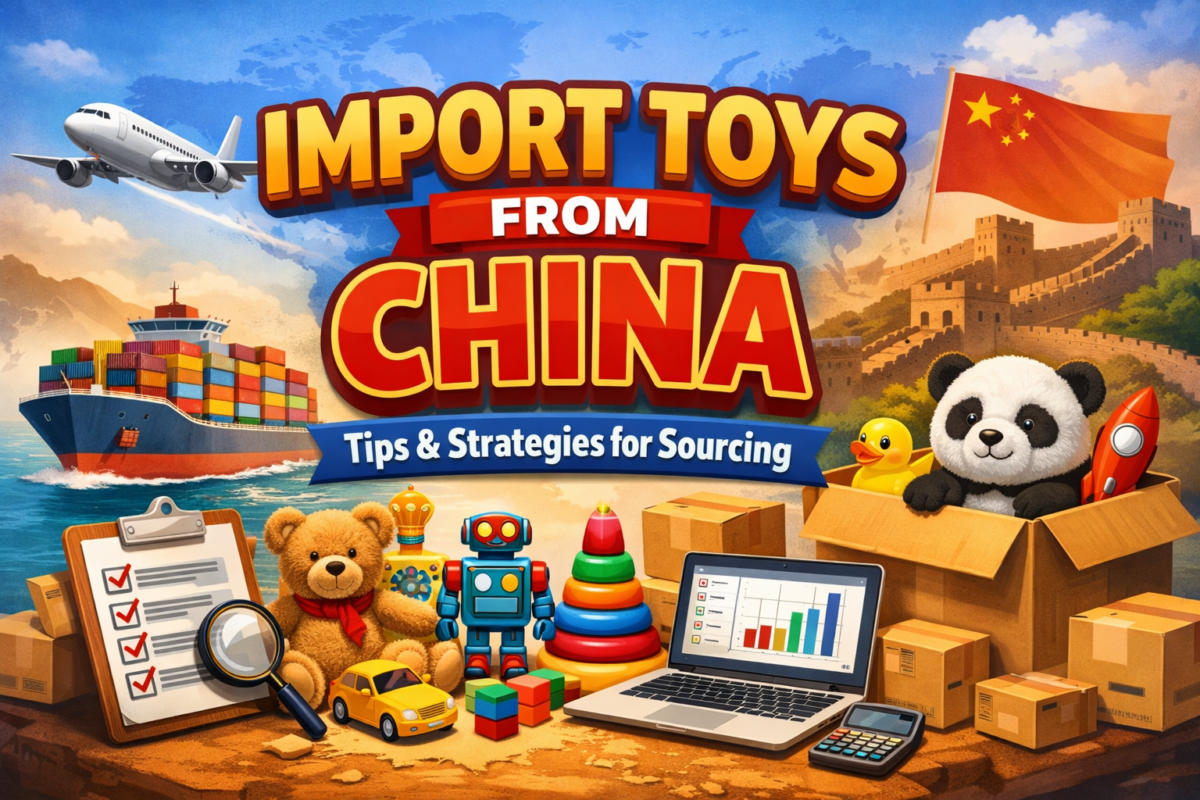
The Complete Guide to Import Toys from China : Your Path to Profitable Business Success
The global toy industry continues to thrive, with China maintaining its position as the world’s largest toy manufacturer, producing approximately 75% of the world’s toys. For entrepreneurs and established retailers looking to import toys from China wholesale, understanding the intricacies of this market can unlock tremendous profit opportunities.
Why China Dominates the Global Toy Manufacturing Market
Manufacturing Excellence and Cost Efficiency
China’s toy manufacturing supremacy stems from several key advantages:
- Advanced production capabilities with state-of-the-art machinery
- Skilled workforce specializing in toy production
- Competitive pricing due to economies of scale
- Complete supply chain ecosystem from raw materials to finished products
- Flexible manufacturing options accommodating both small and large orders
Market Statistics and Growth Potential
The Chinese toy export market reached $13.2 billion in 2023, with consistent year-over-year growth. Key regions including Guangdong, Zhejiang, and Jiangsu provinces house thousands of toy manufacturers, offering diverse product categories from educational toys to electronic gadgets.
Essential Steps to Successfully Import Toys from China Wholesale
1. Market Research and Product Selection
Before initiating your import toys from China wholesale journey, conduct thorough market research:
Trending Toy Categories:
- STEM/Educational toys – Growing demand for learning-focused products
- Electronic and smart toys – IoT-enabled and app-connected devices
- Eco-friendly toys – Sustainable materials and biodegradable options
- Licensed character merchandise – Popular franchises and brand partnerships
- Outdoor and sports toys – Post-pandemic focus on physical activity
2. Finding Reliable Chinese Toy Suppliers
Primary Sourcing Channels:
Trade Shows and Exhibitions:
- Canton Fair (Guangzhou) – Twice yearly, largest trade fair
- China Toy Expo (Shanghai) – Specialized toy industry event
- Guangzhou International Toy Fair – Regional focus on South China manufacturers
Online B2B Platforms and Sourcing Companies:
- Alibaba.com – Comprehensive supplier database
- Made-in-China.com – Verified manufacturer listings
- Global Sources – Premium supplier verification
- Sourcing companies – Have a wide network of suppliers
Direct Factory Connections:
- Industrial zones in Dongguan, Shantou, and Yiwu
- Manufacturer associations and industry networks
- Local sourcing agents and trading companies
3. Supplier Verification and Due Diligence
Critical Verification Steps:
Business License Verification:
- Valid business registration certificates
- Export license documentation
- Factory inspection certifications
Quality Certifications:
- ISO 9001 quality management systems
- ICTI CARE ethical manufacturing standards
- BSCI social compliance certifications
Product Safety Standards:
- CE marking for European markets
- CPSIA compliance for US markets
- EN71 European toy safety standards
- ASTM F963 American toy safety standards
Quality Control and Product Safety Protocols
Pre-Production Quality Assurance
Sample Evaluation Process:
- Initial samples – Basic design and functionality review
- Pre-production samples – Final design confirmation
- Production samples – Quality consistency verification
Material Testing Requirements:
- Lead content testing – Mandatory for paint and coatings
- Phthalate testing – Plasticizer safety verification
- Mechanical testing – Durability and safety assessments
- Age-appropriate testing – Choking hazard evaluations
During Production Monitoring
Quality Control Checkpoints:
- DUPRO (During Production) inspections at 20-30% completion
- Final Random Inspections before shipping
- Container Loading Supervision to prevent damage
Understanding Chinese Toy Manufacturing Costs
Cost Breakdown Analysis
Manufacturing Costs:
- Raw materials: 35-45% of total cost
- Labor: 15-25% of total cost
- Factory overhead: 10-15% of total cost
- Profit margin: 15-25% typical factory markup
Additional Import Costs:
- Shipping and logistics: $2-8 per cubic meter
- Import duties: Varies by destination country (0-15% typically)
- Quality inspection fees: $300-800 per inspection
- Documentation and handling: $100-300 per shipment
Minimum Order Quantities (MOQs)
Typical MOQ Ranges:
- Established products: 500-2,000 pieces per SKU
- Custom designs: 1,000-5,000 pieces per SKU
- Electronic toys: 1,000-3,000 pieces per SKU
- Plush toys: 500-1,500 pieces per SKU
Shipping and Logistics for Toy Imports
Transportation Methods
Sea Freight (Most Common):
- Cost-effective for large volumes
- Transit time: 15-35 days depending on destination
- Container options: 20ft, 40ft, and 40ft high cube
Air Freight:
- Faster delivery: 3-7 days transit time
- Higher costs: 3-6x more expensive than sea freight
- Ideal for: High-value, time-sensitive products
Express Shipping:
- Sample shipments and urgent orders
- Door-to-door service with tracking
- 3-5 day delivery worldwide
Documentation Requirements
Essential Shipping Documents:
- Commercial Invoice with accurate product descriptions
- Packing List detailing contents and quantities
- Certificate of Origin for preferential duty rates
- Product Safety Certificates (CE, CPSIA, etc.)
- Bill of Lading for sea freight shipments
Legal Considerations and Compliance
Import Regulations by Major Markets
United States:
- CPSIA compliance mandatory for children’s products
- CPSC registration for certain toy categories
- Customs duty rates: 0-6.8% for most toys
European Union:
- CE marking requirement for toy safety
- EN71 standards compliance mandatory
- Import duty rates: 0-4.7% for most toys
Other Key Markets:
- Canada: Health Canada regulations and CSA standards
- Australia: ACCC toy safety standards
- United Kingdom: UKCA marking post-Brexit
Intellectual Property Protection
Patent and Trademark Considerations:
- Verify design patents don’t infringe existing IP
- Ensure trademark compliance for licensed products
- Obtain proper licensing agreements for character-based toys
Building Long-Term Supplier Relationships
Communication Best Practices
Effective Communication Strategies:
- Clear specifications and technical drawings
- Regular factory visits to maintain relationships
- Cultural sensitivity in business interactions
- Payment terms negotiation for mutual benefit
Relationship Management:
- Consistent order volumes to secure better pricing
- Long-term contracts for price stability
- Joint product development opportunities
- Exclusive distribution agreements in specific markets
Payment Methods and Terms
Common Payment Structures:
- 30% deposit upon order confirmation
- 70% balance before shipment (T/T transfer)
- Letter of Credit for large orders and new suppliers
- Trade Assurance through Alibaba platform
Common Mistakes to Avoid When Importing Toys
Critical Pitfalls
Quality Control Oversights:
- Skipping third-party inspections to save costs
- Inadequate safety testing for target markets
- Poor packaging quality leading to damage claims
Supplier Selection Errors:
- Choosing suppliers based solely on lowest price
- Insufficient due diligence on manufacturer credentials
- Lack of backup suppliers for continuity planning
Legal and Compliance Issues:
- Incomplete product documentation for customs
- Inadequate insurance coverage for shipments
- Missing safety certifications for target markets
Maximizing Profitability in Toy Importing
Strategic Pricing Approaches
Price Optimization Factors:
- Market positioning (premium vs. budget segments)
- Competitive analysis of similar products
- Volume discounts negotiation with suppliers
- Seasonal demand patterns planning
Profit Margin Enhancement:
- Private label development for higher margins
- Exclusive designs to reduce competition
- Multi-product sourcing for volume discounts
- Direct-to-consumer sales bypassing distributors
Inventory Management Strategies
Effective Stock Planning:
- Seasonal forecasting for holiday demand spikes
- Safety stock levels to prevent stockouts
- Turnover optimization to minimize carrying costs
- Product lifecycle management for sustained profitability
Future Trends in Chinese Toy Manufacturing
Industry Evolution
Technology Integration:
- AI-powered toys with learning capabilities
- Augmented Reality integration in traditional toys
- IoT connectivity for smart play experiences
- 3D printing for rapid prototyping and customization
Sustainability Focus:
- Eco-friendly materials increasing in demand
- Recyclable packaging requirements growing
- Carbon-neutral manufacturing initiatives
- Circular economy principles adoption
Conclusion: Your Success in Toy Importing Starts Here
Successfully learning how to import toys from China wholesale requires careful planning, thorough research, and strong supplier relationships. The Chinese toy manufacturing market offers tremendous opportunities for businesses willing to invest in quality control, compliance, and long-term partnerships.
Key Success Factors:
- Comprehensive market research before product selection
- Rigorous supplier verification and quality control processes
- Full compliance with safety standards and regulations
- Strong logistics planning and inventory management
- Long-term relationship building with reliable suppliers
The toy import business from China can be highly profitable when approached strategically. With proper preparation, due diligence, and execution, your venture into importing toys from China wholesale can become a sustainable and lucrative business opportunity.
Ready to start your toy importing journey? Begin with thorough market research, connect with verified suppliers, and always prioritize quality and safety in your product selection process.
You can get in touch with us if you want to import toys from China .We will be glad to assist you.