
Sourcing Beauty Tools from China
September 15, 2025
Why Peru is a Growing Market for Laundry Detergent Imports ?
October 10, 2025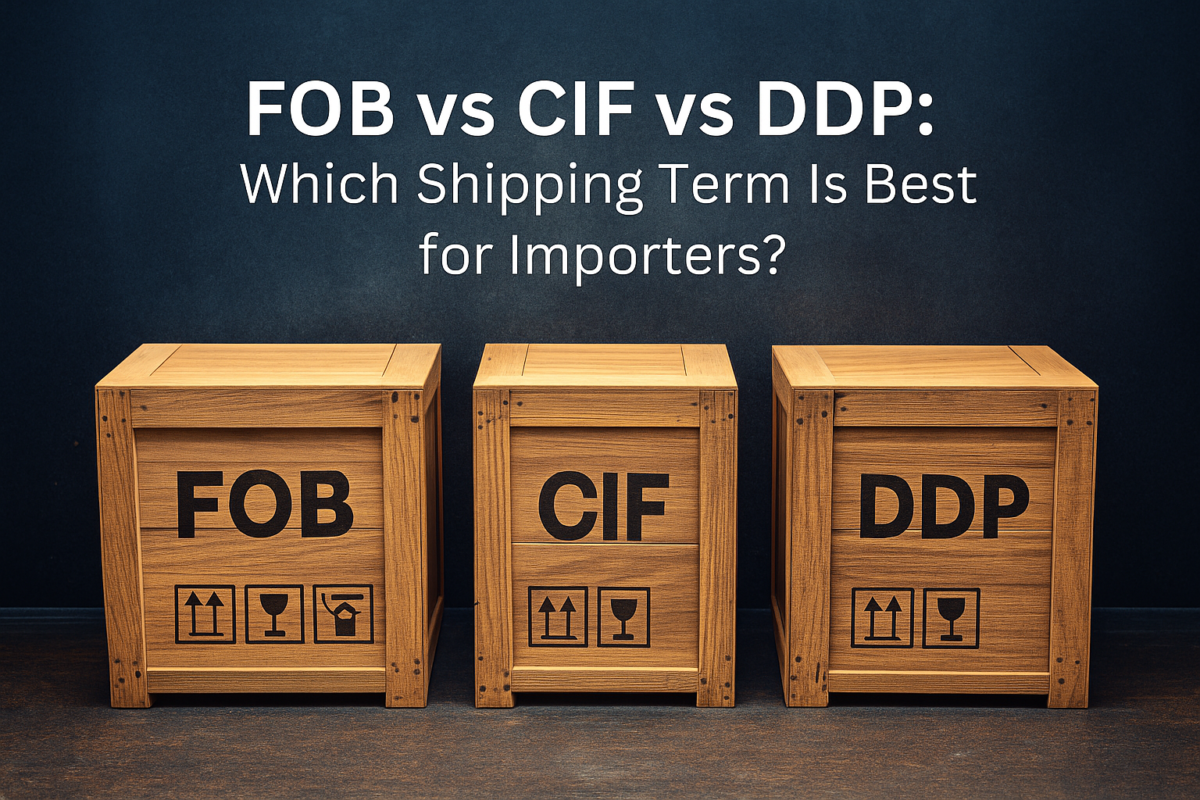
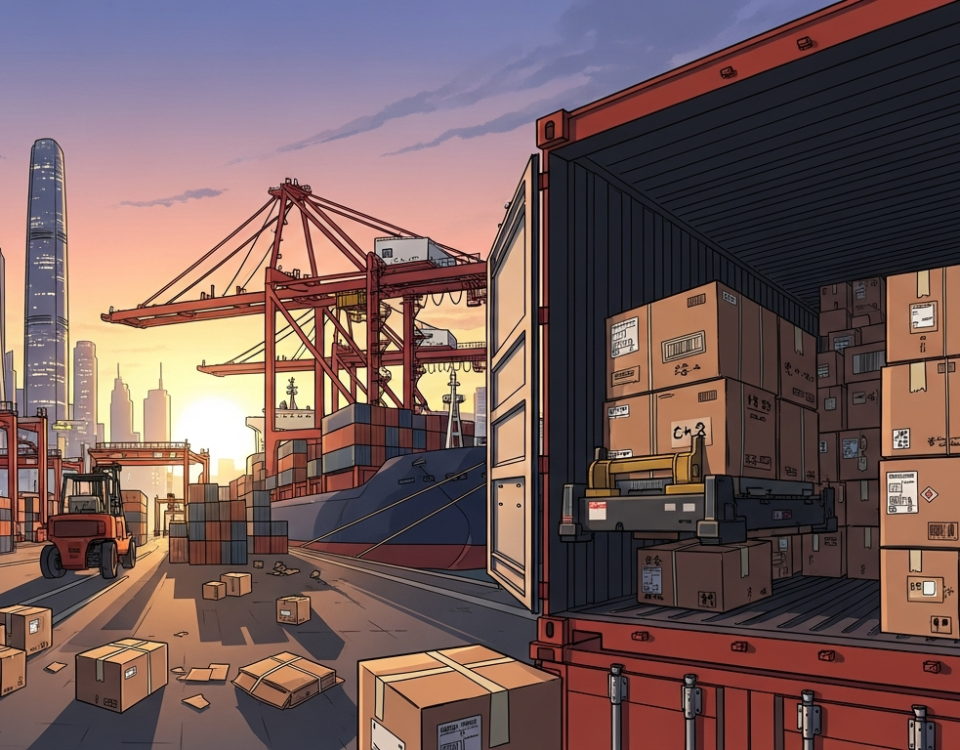
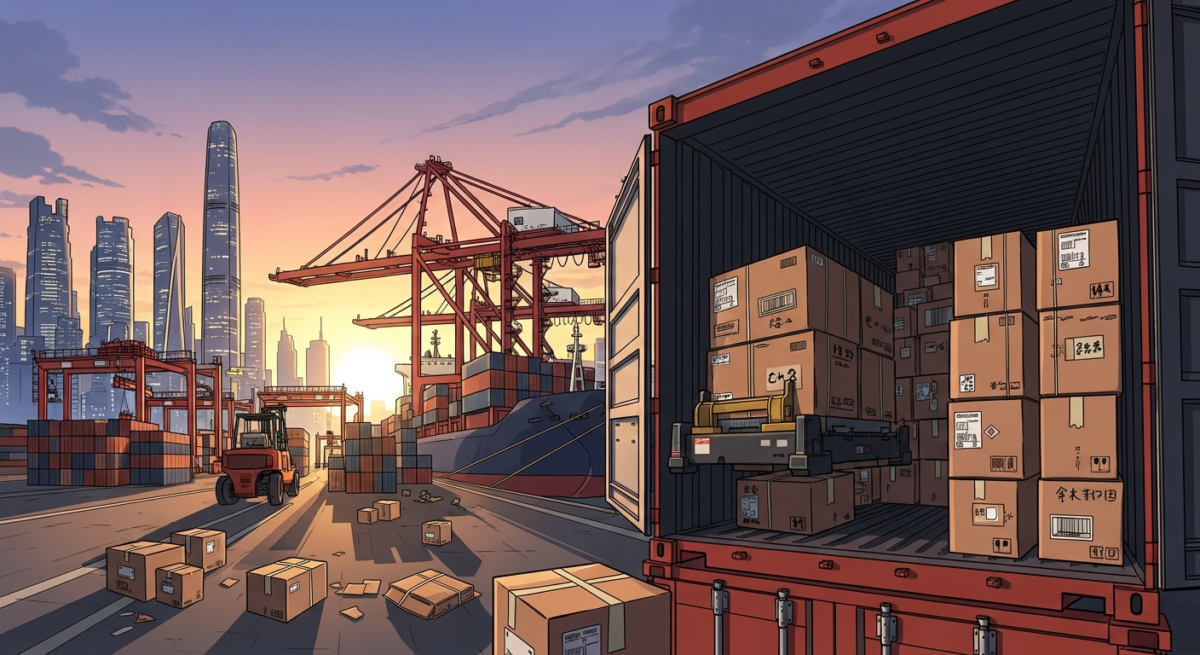
FOB vs CIF vs DDP: Which Shipping Term Is Best for Importers?
As an importer, navigating international shipping terms can feel like decoding a foreign language. Your bottom line, delivery timeline, and risk exposure all depend on these terms.
Among the most common Incoterms® (International Commercial Terms) are FOB (Free on Board), CIF (Cost, Insurance and Freight), and DDP (Delivered Duty Paid). Each one divides responsibility, cost, and risk differently between buyer and seller.
The real question isn’t which is better—it’s which fits your business needs best.
In this guide, we’ll explain each term in simple language, highlight the pros and cons, and help you choose the right one for your next import.
What Are Incoterms®—and Why Do They Matter?
Incoterms®, published by the International Chamber of Commerce (ICC), are global trade rules that define who handles shipping, insurance, and customs. They also determine when risk transfers from seller to buyer.
Choosing the right Incoterm® prevents costly surprises—such as unexpected freight bills or customs delays—and ensures your logistics setup matches your responsibilities.
Let’s explore the three most common terms.
1. FOB (Free on Board): More Control, Lower Initial Costs
What It Means
Under FOB, the seller delivers the goods to the port of shipment and loads them onto your chosen vessel (e.g., “FOB Shanghai Port, China”). Once the goods are on board, risk transfers to you, the buyer.
Pros
-
Cost control: You can choose your freight forwarder and negotiate better rates.
-
Transparency: You track the shipment directly and stay in control.
-
Flexibility: Ideal if you already work with a trusted logistics partner.
Cons
-
More work: You handle freight booking, insurance, and customs clearance.
-
Insurance risk: If you forget to insure the goods, losses are on you.
Best For
Importers with logistics experience or established freight partners.
2. CIF (Cost, Insurance and Freight): Easier for New Importers
What It Means
Under CIF, the seller pays for the goods, ocean freight to your port (e.g., “CIF Los Angeles Port, USA”), and basic insurance. However, risk still transfers to you once the goods are loaded onto the ship—not when they arrive.
Pros
-
Less effort: The seller handles freight and insurance.
-
Clear pricing: You know the full cost upfront—goods, freight, and insurance.
Cons
-
Limited control: The seller chooses the freight forwarder, which may lead to slower transit or higher costs.
-
Basic insurance only: Usually covers total loss, not partial damage.
-
Early risk transfer: You must handle claims if something goes wrong during transit.
Best For
First-time importers or small teams that want simple shipping arrangements.
3. DDP (Delivered Duty Paid): Complete Convenience
What It Means
Under DDP, the seller takes care of everything—shipping, insurance, customs, and delivery to your door (e.g., “DDP Chicago Warehouse, USA”). Risk transfers only when you receive the goods.
Pros
-
Hassle-free: No need to manage shipping or paperwork.
-
Cost certainty: The quoted price includes delivery and duties.
-
Lowest risk: The seller is responsible until you get the goods.
Cons
-
Higher price: Expect 10–20% more than FOB or CIF.
-
No control: You can’t choose carriers or logistics partners.
-
Possible delays: Customs mistakes by the seller can slow things down.
Best For
Businesses that value convenience over cost—such as startups or e-commerce brands.
FOB vs CIF vs DDP: Quick Comparison
| Term | Who Handles Freight | Who Handles Insurance | When Risk Transfers | Buyer’s Control | Typical Buyer Type |
|---|---|---|---|---|---|
| FOB | Buyer | Buyer | After loading on vessel | High | Experienced importers |
| CIF | Seller | Seller (basic) | After loading on vessel | Medium | New importers |
| DDP | Seller | Seller | Upon delivery | Low | Buyers seeking convenience |
How to Choose the Right Term
Ask yourself these four questions:
-
Do you have a trusted freight forwarder?
-
Yes → FOB
-
No → CIF or DDP
-
-
How much time can you give to logistics?
-
Plenty → FOB
-
Limited → CIF or DDP
-
-
What’s your budget priority?
-
Save costs → FOB
-
Pay for convenience → DDP
-
-
Are you experienced with customs clearance?
-
Yes → FOB/CIF
-
No → DDP
-
Final Tip: Always Confirm Details in Writing
Whichever term you pick, define key details in your contract:
-
FOB: Name the exact port and specify who pays for loading fees.
-
CIF: Confirm if insurance covers “all risks” or only “total loss.”
-
DDP: Ensure the price includes duties and local delivery.
Bottom Line
Choosing between FOB, CIF, and DDP isn’t about finding the “best” term—it’s about aligning costs, control, and convenience with your business model.
If you’re still unsure, our team of trade experts can help customize the right shipping plan for your needs. For your next import feel free to Contact us Today