Factory vs Trading Company in China: How to Identify the Difference
March 23, 2026
EXW vs FOB vs CIF: China Shipping Terms Explained (2026)
March 31, 202610 Mistakes Importers Make When Sourcing from China (And How to Avoid Them)
Introduction
Sourcing products from China remains a cornerstone of global trade, powering businesses worldwide with cost-effective manufacturing. China continues to dominate global manufacturing—and for good reason. With exports exceeding $3.5 trillion annually and contributing nearly 16% of global exports, China remains the backbone of international supply chains.
For importers, this presents an enormous opportunity:
✔ Lower production costs
✔ Access to large-scale manufacturing
✔ Wide product variety
✔ Advanced OEM/ODM capabilities
However, sourcing from China is not as simple as placing an order on Alibaba.
Behind every successful import business, there are dozens of failed attempts, costly mistakes, and hard-earned lessons.
This guide breaks down the 10 most common (and expensive) mistakes importers make when sourcing from China, along with practical solutions to help you navigate sourcing successfully in 2026—so you can avoid delays, losses, and supplier headaches.
Mistake 1: Inadequate Supplier Verification
New importers often rush to Alibaba or similar platforms and select the first low-price offer without proper checks. This oversight exposes businesses to fraud, with reports indicating that 20-30% of unverified Chinese suppliers on B2B sites are either middlemen or unreliable. Fraudulent suppliers may disappear after receiving deposits, leading to losses averaging $50,000-$100,000 per incident for small businesses.
The Problem
Importers rely on:
- Alibaba listings
- WhatsApp communication
- Basic company profiles
Without real verification.
Risks
- Fake factories
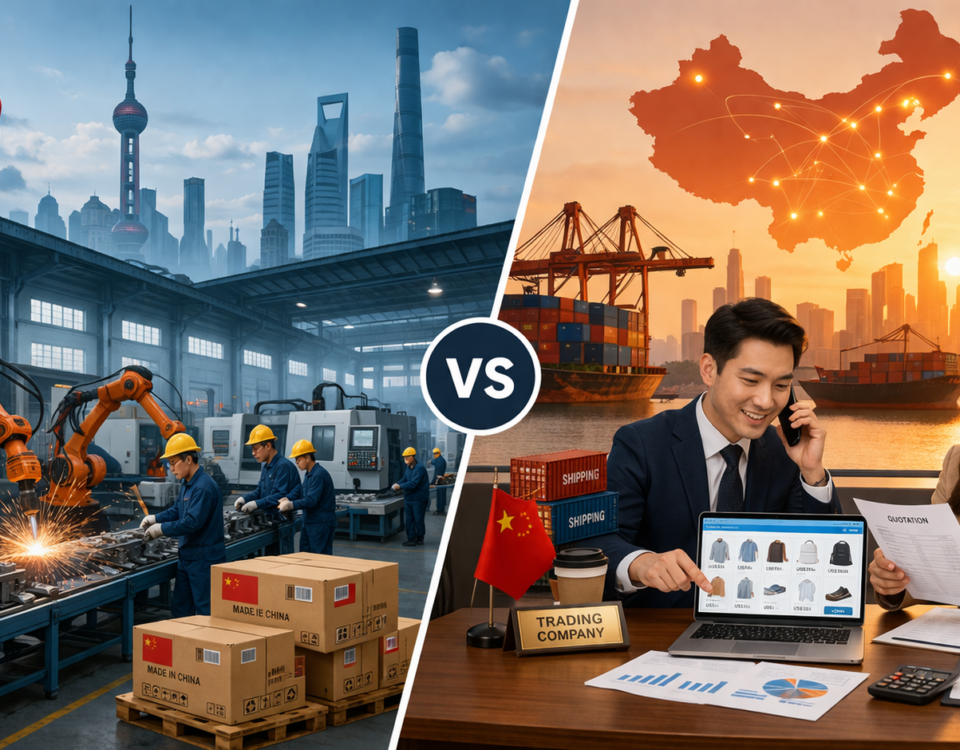
- Trading companies misrepresenting themselves
- Poor compliance (no certifications)
- No accountability after payment
The Reality
China has over 780,000 registered import-export businesses, making verification critical.
The Solution
Always verify:
- Business license
- Factory audit (on-site or third-party)
- Export records
- Certifications (ISO, FDA, CE depending on product)
This is where a sourcing partner on-ground becomes critical.
To avoid this, request Chinese business licenses, export certificates, and conduct third-party audits via services like AsiaInspection. Cross-verify via Google, LinkedIn, and supplier factory videos. A verified supplier reduces scam risk by 85%, per sourcing agencies.
Mistake 2: Skipping Product Samples
Importers frequently place bulk orders based on photos alone, ignoring samples. This leads to quality mismatches, with 40% of first-time orders rejected due to unmet specs, according to a 2025 sourcing survey. Samples reveal material flaws, color variances, or sizing errors early, preventing costly returns.
The Problem
Some importers skip samples to:
- Save time
- Save shipping cost
- Trust supplier blindly
What Goes Wrong
- Product doesn’t match expectations
- Material differences
- Color inconsistencies
- Functionality issues
Real Impact
A small sampling cost (say $100–$300) can save:
Thousands of dollars in defective inventory
The Solution
Always:
- Order multiple samples
- Compare across suppliers
- Test functionality
- Validate packaging
Treat sampling as risk insurance, not cost.
Always order 3-5 samples from top suppliers, costing $50-200, and test them rigorously. Compare against your specs sheet detailing dimensions, materials, and packaging. This step catches 70% of issues pre-production.
Mistake 3: Overemphasis on Lowest Price
Chasing rock-bottom prices ignores total cost of ownership (TCO), including shipping, duties, and defects. Low bids often signal poor quality or middlemen markups, contributing to 25% higher long-term costs. In 2025, U.S. importers paid an average 15-20% extra in rework due to cheap sourcing.
The Problem
Many importers fall into the trap of selecting the lowest quotation.
On paper, this looks like a smart move—but in reality, it often leads to:
- Poor product quality
- Delayed shipments
- Hidden costs (rework, returns, refunds)
- Supplier unreliability
Why This Happens
China’s manufacturing ecosystem is highly fragmented. For the same product:
- You may receive 10–15 quotes
- Price differences can vary by 20–50%
The cheapest supplier is often:
- Trading company posing as factory
- Using inferior materials
- Cutting corners in QC
The Solution
Instead of price, evaluate:
- Factory capability & certifications
- Production capacity
- QC systems
- Past export experience
Rule: If one quote is significantly cheaper, there is always a reason.
Evaluate TCO by factoring freight (10-20% of value), tariffs (up to 25% post-2025 trade policies), and defect rates. Aim for mid-tier suppliers offering value; negotiate volume discounts instead.
Mistake 4: Neglecting Quality Control Inspections
Relying on supplier self-checks results in defects slipping through, with pre-shipment inspections catching 15-25% non-conformities on average. Without inspections, 30% of shipments face customs holds or returns, inflating costs by 5-10%.
The Problem
Importers assume:
“Factory will maintain quality automatically”
This is a critical mistake.
Why QC is Essential
In China:
- Production is often subcontracted
- Batch consistency varies
- Human error is common
Industry Practice
Professional importers use:
- Pre-production inspection
- During production checks
- Pre-shipment inspection (AQL standard)
The Solution
Implement:
- Third-party QC inspections
- Defined quality benchmarks
- Inspection reports before shipment
Never release full payment before QC approval.
Implement a three-stage QC: raw materials (20% check), during production (30-50% inline), and pre-shipment (80-100% AQL standard). Hire firms like SGS for $300-500 per inspection to ensure compliance.
Mistake 5: Poor Communication and unclear product specification
Language barriers and cultural differences cause spec misinterpretations, leading to 35% of disputes. Chinese suppliers prioritize relationships (guanxi), so abrupt demands erode trust.
The Problem
Importers give vague instructions like:
- “Good quality material”
- “Premium finish”
- “Same as image”
Why This Fails
Chinese manufacturers work on exact specifications, not assumptions.
Without clarity:
- Supplier fills gaps themselves
- You get unexpected results
The Solution
Provide:
- Material specs
- Dimensions
- Pantone color codes
- Packaging details
- Functional requirements
Clear input = predictable output.
Use detailed spec sheets with diagrams, translated to Mandarin. Schedule WeChat calls, visit factories if possible, and build rapport. Tools like Google Translate aid, but professional interpreters cut errors by 50%.
Mistake 6: Ignoring MOQ and Cost Structure
Importers often overlook Minimum Order Quantity (MOQ) requirements and the underlying cost structures when sourcing from China, leading to cash flow strain, excess inventory, or missed profitability.
The Problem
Importers underestimate:
- Minimum Order Quantity (MOQ)
- Tooling costs
- Packaging MOQs
Example
A product may have:
- MOQ for product: 1,000 units
- MOQ for packaging: 5,000 units
Result
- Inventory mismatch
- Higher per-unit cost
- Cash flow issues
The Solution
Understand:
- Cost breakdown
- MOQ flexibility
- Pilot run options
Sometimes paying slightly more for smaller MOQ is smarter.
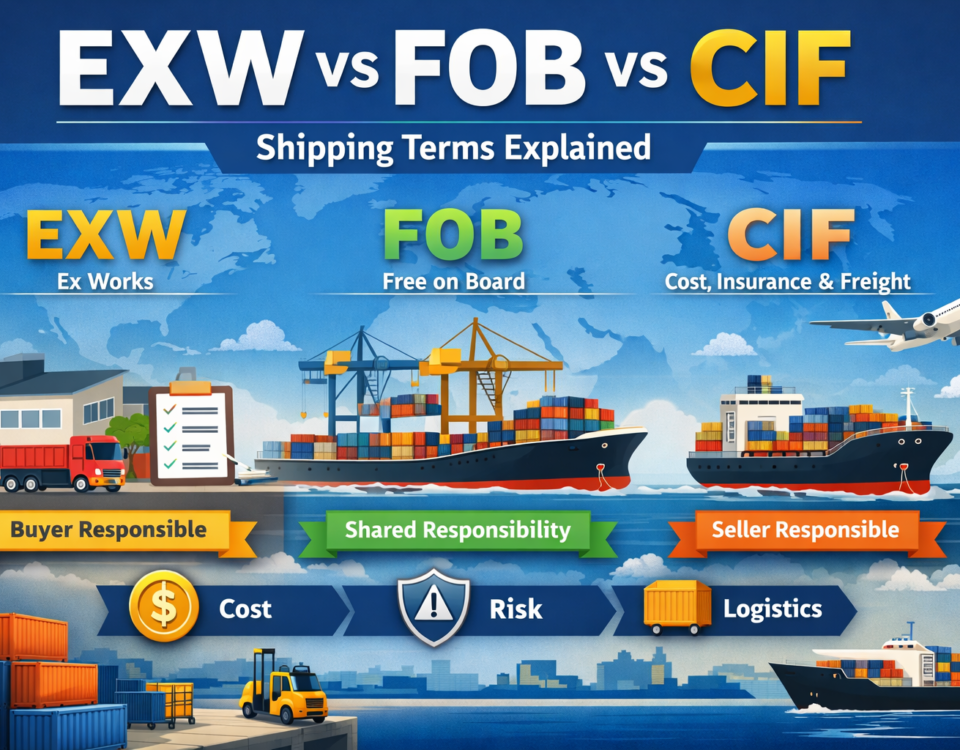
Mistake 7: Not Understanding Shipping & Incoterms
Importers focus on FOB prices but overlook duties, freight, insurance, and storage. Sea freight from China averages $3,000-5,000 per 40ft container in 2026, plus 10-25% tariffs. Hidden fees add 20-30% to landed costs.
The Problem
Many importers don’t understand:
- FOB
- CIF
- DDP
Result
- Unexpected costs
- Customs delays
- Responsibility confusion
Example
DDP sounds easy—but:
- You don’t control customs
- GST implications may vary
- Transparency is limited
The Solution
Understand:
- Total landed cost
- Responsibility at each stage
- Documentation requirements
Choose shipping terms based on your business model.
Calculate full costs using HS codes for duties (e.g., 7.5% on electronics). Choose Incoterms wisely—DDP shifts risks. Partner with forwarders like Flexport for transparent quotes.
Mistake 8: Ignoring Regulatory Compliance and Certifications
Overlooking import regs leads to seizures; e.g., EU REACH violations cost $10,000+ per shipment. U.S. FDA or CPSC non-compliance affects 15% of consumer goods imports.
The Problem
Importers focus on product—but ignore:
- Regulations
- Certifications
- Import requirements
Risks
- Shipment rejection
- Customs hold
- Legal penalties
Example
For beauty products:
- Ingredient compliance is mandatory
- Labeling must meet local laws
The Solution
Check:
- Country-specific regulations
- Required certifications
- Testing standards
Compliance is not optional—it’s critical.
Verify supplier certs (CE, RoHS, UL) match your market. Conduct lab tests ($100-300/item) and use compliance checklists. Post-2025 U.S. tariffs emphasize origin verification.
Mistake 9: Unrealistic Lead Time Expectations
Chinese New Year (Jan-Feb) halts 70% of factories, delaying shipments by 4-8 weeks. Peak seasons add 20-50% to timelines; sea freight takes 25-40 days to India/U.S.
The Problem
Many importers assume:
“Production will be fast and smooth”
They expect:
- Quick sampling
- Immediate production start
- Fixed delivery timelines
What Actually Happens
In reality, sourcing from China involves multiple stages:
- Sampling & revisions
- Raw material procurement
- Production scheduling
- Quality checks
- Packaging
- Shipping & customs
Each stage can introduce delays.
Why This Happens
Importers often:
- Don’t understand production cycles
- Ignore factory workload (especially during peak seasons)
- Overlook holidays like Chinese New Year, which can shut factories for 2–4 weeks
Real Impact
Unrealistic timelines can lead to:
- Missed sales seasons (e.g., festive, Q4, Amazon peak)
- Air shipping (higher cost due to urgency)
- Supplier pressure → compromised quality
Many Amazon sellers lose entire product cycles due to delayed shipments.
The Solution
Plan realistically:
✔ Add buffer time (15–25%)
✔ Confirm production schedule before payment
✔ Track milestones (sampling → production → QC → shipment)
✔ Avoid peak holiday periods
Rule: In China sourcing, delays are normal—planning buffer is not optional.
Plan 3-6 months ahead, avoiding holidays. Buffer 20% extra time and track via production reports. Air freight for urgency costs 5x more.
Mistake 10: Failing to Protect Intellectual Property
Sharing designs without NDAs risks copying, with 10-15% of custom products knocked off. Middlemen sell replicas on Taobao.
The Problem
Importers freely share:
- Product designs
- CAD files
- Formulations
- Packaging artwork
👉 Without legal protection
What Can Go Wrong
- Supplier copies your product
- Your design is sold to competitors
- Factory bypasses you and sells directly
Why This Happens
China’s manufacturing ecosystem is highly competitive:
- Factories may reuse designs to maximize profit
- Without agreements, your ownership is unclear
Real Risk
Especially critical for:
- Private label brands
- New product development (NPD)
- Innovative products
👉 Many importers unknowingly create their own competitors.
The Solution
Always secure protection before sharing sensitive data:
✔ Sign NNN Agreement (Non-Disclosure, Non-Use, Non-Circumvention)
✔ Use China-enforceable contracts (not generic NDAs)
✔ Limit sharing to shortlisted suppliers only
✔ Register trademarks in China (if scaling long-term)
Work with intermediary sourcing company who can control supplier access and communication.
File trademarks in China ($500-1,000), use NDAs, and mold overseas. For OEM, specify exclusivity clauses. Monitor via Alibaba IP protection.
Real-World Data and Statistics
China dominates imports: In 2025, it supplied 28% of U.S. goods ($427B) and 15% to India. Yet, 22% of small importers report losses over $20,000 from sourcing errors, per 2026 trade reports. Quality defects cause 18% return rates, while fraud hits 8% of deals.
How to Build a Bulletproof Sourcing Strategy
Start with market research: Validate demand via Google Trends/Jungle Scout. Shortlist 5-10 suppliers, vet via Gold/Trade Assurance status. Sequence: Samples → Contract → Production monitoring → Inspection → Ship.
Sourcing from China is not just about finding a supplier.
It’s about managing:
- Risk
- Quality
- Cost
- Communication
- Logistics
The difference between successful importers and failed ones is simple:
Process + Control + Expertise
Advanced Tips for Seasoned Importers
-
Use ERP tools like NetSuite for tracking.
-
Negotiate MOQs down 20-50%.
-
Leverage Canton Fair (April/October) for direct meets.
-
Insure 110% shipment value.
Conclusion and Next Steps
Avoiding these 10 mistakes can save 20-40% on costs and boost success rates to 90%.
If you want to avoid these mistakes and build a reliable supply chain in China:
✔ Get access to verified manufacturers
✔ Reduce sourcing risks
✔ Ensure consistent quality
✔ Manage production end-to-end
Work with an on-ground sourcing partner like Nexofetch ,to discuss in more detail get in touch with us today
FAQ Section
1. What is the biggest mistake when sourcing from China?
Choosing suppliers based on price alone without verification.
2. How do I verify a supplier in China?
Check business license, conduct factory audits, and verify export history.
3. Is sourcing from China still profitable in 2026?
Yes, due to scale, cost advantage, and manufacturing ecosystem.
4. Should I use DDP shipping?
Depends on your business model—DDP is convenient but less transparent.
5. How important is quality control?
Critical. Without QC, risk of defective goods is very high.