How a China Sourcing Agent Helps Reduce Cost Without Compromising Quality
December 23, 2025
Import from China through a Sourcing Company
March 4, 2026Beauty Products Sourcing from China: Unlocking Global Opportunities
Key Highlights
- Sourcing beauty products from China offers significant cost savings and access to innovative manufacturing.
- A strong supply chain for personal care items requires finding reliable Chinese suppliers who meet quality standards.
- You can choose between private label options for a quick launch or custom formulations for a unique brand identity.
- Partnering with a sourcing specialist simplifies navigating the cosmetic products landscape, from factory audits to logistics.
- Ensuring product quality involves thorough quality control checks and verifying certifications like GMP.
- Understanding customs, packaging, and labeling is crucial for a smooth import process.
Introduction
Are you looking to expand your beauty brand? Sourcing beauty products from China can unlock massive global opportunities for your business. The country’s robust manufacturing industry offers a vast range of options, from skincare to makeup. By tapping into the Chinese market, you can optimize your supply chain, innovate your product line, and achieve significant growth. This guide will walk you through every step, helping you navigate the process with confidence and avoid common pitfalls along the way.
Overview of Beauty Products Sourcing in China
The global market for beauty and personal care products is booming, with a value of over $482 billion in 2021 and an expected annual growth of 7.7%. This expansion makes it the perfect time to find reliable global sources for your brand. China stands out as a leading hub for manufacturing a wide range of cosmetic products.
Sourcing directly from China involves connecting with trusted factories that can deliver high-quality goods. The best way to do this is by working with experienced sourcing agents or platforms that can vet manufacturers, manage production, and handle logistics. This ensures your supply chain is efficient and your personal care products meet all necessary standards from the start.
Key Trends in the Chinese Beauty Industry
The Chinese beauty industry is not just about manufacturing; it’s a hotbed of innovation. Trends are constantly emerging, pushing the boundaries of personal care. You’ll find everything from advanced skincare products and new makeup application tools to sophisticated beauty devices like facial steamers and cryofreeze tools. This fast-paced environment gives you access to the latest market demands.
This innovation extends across many product types. Whether you’re interested in hair care, oral hygiene, or specialized skincare products, Chinese manufacturers are often at the forefront. They are familiar with consumer desires and can help you create items that resonate with your target audience.
Sourcing services can be a huge help in navigating this dynamic industry. A good sourcing partner identifies and audits top factories for you. They manage everything from design and prototyping to price negotiations and quality inspections, ensuring you can launch your products on schedule and within budget.
Why China is a Global Hub for Beauty Products
China has solidified its position as a key market for sourcing beauty products for several compelling reasons. The country boasts a massive and skilled labor force, which translates into significant cost savings without compromising on production efficiency. This makes manufacturing Chinese cosmetics an attractive option for brands of all sizes.
Furthermore, Chinese factories have access to the latest technology and machinery, promoting top-notch innovation across various product categories. From makeup and skincare to hair care and hygiene items, the range of available products is immense. This diversity allows you to source a complete product line from a single region.
The well-established supply chain and access to a wide array of raw materials also contribute to faster turnaround times. Manufacturers in China have unique insights into global beauty trends and customer demand, helping you create products that are both high-quality and commercially successful.
Finding Reliable Beauty Product Manufacturers in China
Finding a reliable manufacturer is the cornerstone of a successful beauty brand. The right partner will ensure your product quality is consistent and your supply chain runs smoothly. Rushing this step can lead to costly mistakes, so it’s worth investing time in research and verification to find the best Chinese suppliers for your needs.
To find a trustworthy partner, you need a clear strategy. This involves knowing where to look, what questions to ask, and which qualifications to verify. The following sections will guide you through the top methods for searching for suppliers and the essential qualities to look for in a manufacturer.
Top Methods to Search for Quality Suppliers
When searching for quality suppliers from global sources, there are various ways to connect with trustworthy partners. Digital platforms are a great starting point, but it’s important to use their features to filter out less reliable options. Don’t be afraid to reach out and start a conversation; most suppliers respond within a few business days.
For a more targeted search, consider these effective methods:
- B2B Platforms: Use sites like Alibaba and Made-in-China.com. Look for “Verified” or “Gold Supplier” badges to find factories with a proven track record.
- Trade Shows: Attend global cosmetic trade shows like Cosmoprof. You can find exhibitor lists online, which are a great source of reputable manufacturers.
- Industry Referrals: Ask sourcing agents, consultants, or other business owners in the beauty space for recommendations. Personal experience is often the most reliable reference.
- Sourcing Companies : The most effective way is to collaborate with a sourcing company who has a well established network of manufacturers and already are working with them , so
After creating a shortlist, arrange video interviews to see the facilities and discuss your project. This initial effort helps build a strong foundation for a long-term partnership and ensures your expectations are aligned from the beginning.
Essential Qualities to Look for in a Manufacturer
Choosing a reliable manufacturer goes beyond just finding a low price. You need a partner with a good reputation who can consistently meet your quality and compliance standards. A manufacturer with years of experience is more likely to understand the complexities of international shipping and regulations.
Before committing, verify that the manufacturer has the right credentials and capabilities. Pay close attention to their production capacity to ensure they can handle your order volume as your business grows.
Here are some essential qualities to look for:
- Certifications: Look for GMP, ISO 22716, or FDA-compliant certificates to ensure they follow safety and hygiene standards.
- Product Specialization: Choose a factory that has experience making your specific type of product, whether it’s lipstick, serums, or makeup brushes.
- Export Experience: Ask if they have shipped to your country before and can provide the necessary documentation.
- Scalability: Confirm their minimum order quantity (MOQ) and production capacity align with your business goals.
- Communication: Ensure they have English-speaking staff to avoid misunderstandings.
Important Regions for Beauty Product Sourcing
China is a vast country, and manufacturing hubs are often clustered in specific regions. Knowing where to look can help you find the right factory for your needs and streamline your supply chain. Certain cities have become epicenters for cosmetics and personal care, offering a high concentration of experienced suppliers.
A sourcing specialist can help you navigate these regions to identify the best partners. Whether you’re looking for large-scale cosmetic manufacturers or factories specializing in personal care items, understanding the key industrial zones is a major advantage. Let’s explore the main centers and emerging cities for beauty product sourcing.
Guangzhou and Shenzhen: Main Beauty Supply Centers
When it comes to beauty supply in China, Guangzhou and Shenzhen are the undisputed leaders. These cities, located in Guangdong province, are home to a massive number of cosmetic manufacturers, making them a one-stop shop for almost any beauty product you can imagine. From makeup and skincare to packaging and raw materials, the entire supply chain is concentrated here.
Guangzhou is particularly famous for its wholesale markets and a high density of factories specializing in a wide range of cosmetic products. If you’re looking to produce color cosmetics, skincare, or hair care items, you will find countless experienced partners in this area. Many global brands have their products manufactured in this region.
Shenzhen, while also a major hub, is known for its focus on technology and innovation. This makes it an excellent place to source modern beauty devices and high-tech skincare solutions. The proximity of these two cities creates a powerful ecosystem for beauty sourcing that is unmatched anywhere else in the world.
Emerging Cities for Personal Care Manufacturing
While Guangzhou and Shenzhen dominate the beauty landscape, other regions are also significant players in the manufacturing of personal care items. Hong Kong, for example, serves as a crucial logistics and financial hub. Its status as a free port facilitates smoother export processes, making it an attractive base for coordinating your supply chain.
Understanding the strengths of different regions helps you make strategic sourcing decisions. Some areas might offer better pricing for certain products, while others provide superior logistics or specialized expertise. This knowledge allows you to optimize the journey of your finished product from the factory to your warehouse.
Here’s a look at key sourcing regions and their specialties:
| Region | Primary Strengths | Best For |
|---|---|---|
| Guangdong (Guangzhou, Shenzhen) | High concentration of factories, complete supply chain, innovation | Makeup, skincare, beauty devices, packaging |
| Zhejiang (Yiwu, Ningbo) | Small commodities, cost-effective production, large wholesale markets | Makeup tools, brushes, accessories, personal care items |
| Hong Kong | International trade, logistics, financial services, IP protection | Coordinating shipments, managing payments, ensuring smooth exports |
Working with Sourcing Agents and Staff in China
Navigating the Chinese market can be challenging, especially with language barriers and cultural differences. This is where a sourcing agent or a dedicated sourcing specialist can be invaluable. These professionals act as your on-the-ground team, helping you find suppliers, negotiate prices, and oversee production.
Choosing the right staff or agent is critical to your success. You need someone who is not only fluent in the local language but also understands the intricacies of the beauty industry. The following sections will cover how to select a competent agent and what you can expect from their services.
How to Choose a Competent Sourcing Agent
When selecting a sourcing agent, look for someone with a good reputation and proven experience in the beauty and personal care industry. A generalist agent might not understand the specific quality and compliance requirements for cosmetics. A specialist will have an established network of trusted factories and can streamline your entire supply chain.
Do your due diligence before hiring an agent. Ask for references and case studies of past projects similar to yours. A transparent agent will be upfront about their fee structure and the services they provide. This initial vetting process is crucial for building a successful long-term partnership.
Here’s what to look for in a sourcing agent:
- Industry Specialization: Ensure they have specific experience with beauty and personal care products.
- Fluency in English and Chinese: Clear communication is essential for avoiding misunderstandings with factories.
- Transparent Processes: They should have a clear auditing process for vetting factories.
- Comprehensive Services: Look for agents who offer end-to-end support, including sourcing, quality control, and logistics.
What to Expect from Specialty Beauty Sourcing Services
Specialty beauty sourcing services offer far more than just finding a factory. A dedicated sourcing specialist becomes an extension of your team, managing the entire production process to ensure your vision comes to life. They begin by identifying and auditing a pool of potential factories, narrowing it down to the top few that best fit your project’s needs.
Once a factory is chosen, your sourcing specialist will manage key details like CAD design, tooling, and prototyping. They negotiate prices and terms on your behalf to get you the best deal. Throughout manufacturing, they oversee production to keep everything on schedule and facilitate communication between you and the supplier, breaking down any language barriers.
Ultimately, these services are designed to protect your interests. They conduct quality inspections, protect your intellectual property, and handle the complexities of logistics and warehousing. This comprehensive support allows you to launch safe, high-quality products on time and on budget, streamlining your supply chain from start to finish.
Ensuring Product Quality and Compliance
Ensuring product quality and compliance is non-negotiable in the beauty industry. Your brand’s reputation depends on delivering products that are safe, effective, and meet all legal requirements. A single issue with product safety can lead to recalls, legal trouble, and a loss of customer trust.
To verify quality before placing an order, you need a robust system of checks and balances. This includes performing factory audits, conducting regular quality control inspections, and ensuring your supplier can provide all necessary certifications and documentation. These steps are crucial for protecting your business and your customers.
Factory Audits and Quality Control Checks
A factory audit is your first line of defense in ensuring product quality. Before you even place an order, an audit helps verify that the manufacturer’s facilities, systems, and practices meet your standards. This can be done by your sourcing agent or a third-party inspection agency who can visit the site on your behalf.
During production, regular quality inspection is essential. Don’t wait until the entire order is finished to check for issues. A final inspection right before shipping is also critical to catch any last-minute problems with packaging, labeling, or the products themselves. This prevents defective goods from ever leaving the factory.
Key quality control checks include:
- Initial Factory Vetting: Auditing potential suppliers to confirm their capabilities and certifications.
- Pre-Production Inspection: Checking raw materials before manufacturing begins.
- During Production Inspection: Monitoring the production line to catch issues early.
- Final Random Inspection: Checking a sample of finished products before shipment.
- Packaging Check: Ensuring cartons are packed correctly and products are secure.
Certifications and Required Documentation for Import
When importing cosmetics, having the right documentation is just as important as the product itself. Each country has its own rules, and you must ensure your products comply with them. For example, the United States’ Food and Drug Administration (FDA) and the EU’s Cosmetic Products Notification Portal (CPNP) have different requirements.
Key certifications prove that a manufacturer adheres to global standards. A GMP certification (Good Manufacturing Practices), such as ISO 22716, is one of the most important ones to look for. It demonstrates that the factory maintains high standards for hygiene, production, and quality control. You will also need safety assessments to prove your product is safe for consumers.
Before shipping, make sure your supplier can provide the following documents:
- GMP Certification (e.g., ISO 22716): Confirms adherence to quality and safety standards.
- Certificate of Analysis (COA): Verifies the product’s characteristics and ingredient concentrations.
- Material Safety Data Sheet (MSDS): Provides safety information for handling and transport.
- Ingredient List (INCI): A standardized list of all ingredients.
- Country of Origin Certificate: States where the goods were manufactured.
- Testing Reports: Includes microbial, heavy metal, and stability testing.
Packaging, Branding, and Customization Options
Your product’s packaging is the first thing a customer sees, making it a crucial element of your brand identity. Great packaging protects the product, communicates its benefits, and helps it stand out on the shelf. When sourcing from China, you have a wide array of options for both inner and outer packaging.
From the primary container to the cosmetic labels and outer box, every detail matters. You can choose from standard options or create something completely custom. The next sections will explore popular packaging types and the difference between using private labels and creating a custom formulation.
Popular Packaging Types for Beauty and Personal Care
Choosing the right packaging is essential for both function and aesthetic appeal. Chinese manufacturers offer a huge variety of options to suit any product, from serums and creams to powders and lipsticks. Think about how your customer will use the product and select a container that is practical and reflects your brand’s style.
Beyond the primary container, consider the outer packaging. A well-designed box not only protects the product during shipping but also enhances the unboxing experience. The labeling of cosmetics is also critical, as it must contain required information like ingredients, net weight, and usage instructions in a clear and compliant format.
Here are some popular packaging options:
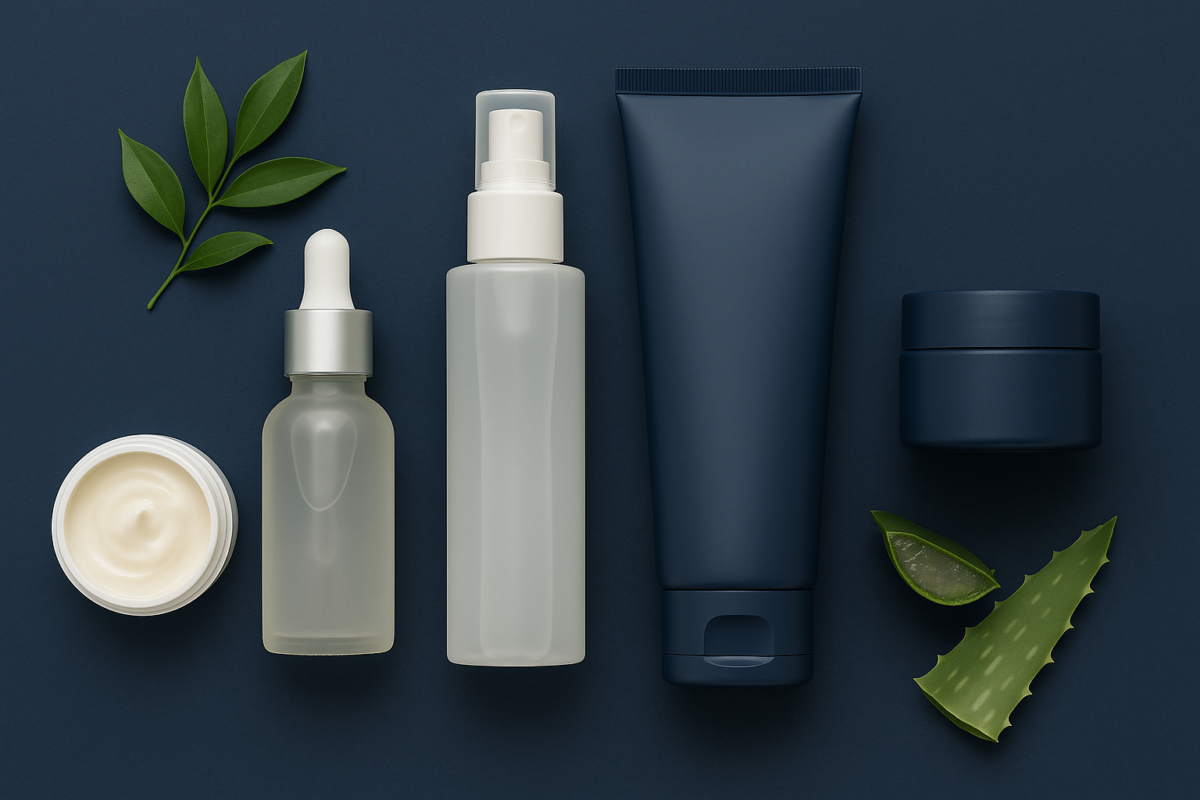
- Airless pump bottles: Ideal for creams and serums to protect them from air exposure.
- Dropper bottles: Perfect for oils, serums, and other liquid formulations.
- Compacts and palettes: Used for pressed powders, eyeshadows, and blushes.
- Tubes: A versatile option for cleansers, lotions, and lip glosses.
- Sticks: Convenient for balms, highlighters, and deodorants.
- Cushion cases: Popular for foundations and other liquid face products.
Custom Formulation vs. Private Label Solutions
When creating your product line, you’ll face a key decision: should you opt for private labels or invest in a custom formulation? Private label, or white label, involves putting your brand on a pre-existing, factory-tested formula. This is a fast and cost-effective way to launch, with low minimum order quantities.
A custom formulation (Original Design Manufacturing or ODM), on the other hand, means developing a unique formula from scratch. This gives you full control over the ingredients, texture, and scent, allowing you to create a truly one-of-a-kind finished product. While this path takes longer and requires a higher investment, it offers brand exclusivity.
Consider these key differences:
- Timeline: Private labels can be ready in 2-6 weeks, while custom formulations can take 3-6 months due to R&D and testing.
- Control: With private labels, you have limited control over ingredients. Custom formulas offer full control.
- Exclusivity: A custom formulation can be made exclusive to your brand, whereas private label formulas may be sold to others.
- Best For: Private labels are great for startups, while custom formulas are ideal for established brands seeking a unique identity.
Logistics and Importing Beauty Products to the United Kingdom
Once your products are manufactured, the next step is getting them to the United Kingdom. The import process involves shipping, customs clearance, and final delivery, and each stage requires careful planning. Choosing the right shipping method, like air freight for speed or sea freight for cost savings, depends on your budget and timeline.
Navigating logistics can be complex, but understanding the key steps will help you avoid delays and unexpected costs. From preparing the right documents to working with a customs broker, being organized is crucial for a smooth experience. Let’s break down how to prepare for shipping and overcome common import challenges.
Steps to Prepare for Shipping and Customs
Preparing for shipping and customs in advance is key to a hassle-free import process. The first step is to hire a reliable customs broker or freight forwarder who specializes in cosmetics. They will help you navigate the paperwork and ensure your shipment complies with all regulations, preventing it from getting stuck at the border.
Your broker will need a set of specific documents to clear your goods. This includes the commercial invoice, packing list, and the bill of lading (for sea freight) or air waybill (for air freight). They will also use the Harmonized Tariff Schedule (HTS) codes to classify your products and determine the correct import duties.
To ensure a smooth customs clearance, make sure you have everything in order:
- Hire a Customs Broker: Find an expert who understands cosmetic imports.
- Gather Your Documents: Prepare the commercial invoice, packing list, and bill of lading.
- Confirm HTS Codes: Work with your broker to classify your products correctly.
- Provide Required Certificates: Have your COA, MSDS, and GMP certificates ready for inspection.
- Declare Correct Value: Accurately state the value of your goods to avoid fines.
- Prepare for Duties and Taxes: Set aside funds to pay for any import taxes.
Common Import Challenges and How to Overcome Them
Sourcing from China can be highly rewarding, but it’s not without its challenges. One of the most common issues is underestimating lead times. Production and shipping can take longer than expected, especially around holidays. To avoid this, build buffer time into your launch schedule and communicate clearly with your supplier about timelines.
Another potential hurdle is customs clearance. Missing documents or incorrect paperwork can cause significant delays and costly mistakes. Working with an experienced freight forwarder can help you navigate these complexities and ensure a smooth process from the port to final delivery.
Here are some common challenges and how to avoid them:
- Quality Inconsistencies: Overcome this by implementing a multi-stage quality inspection process.
- Communication Barriers: Hire a sourcing agent or work with factories that have English-speaking staff.
- Unexpected Delays: Plan for longer lead times and avoid placing urgent orders during peak seasons.
- Regulatory Compliance Issues: Research your country’s regulations thoroughly before production and verify all supplier certifications.
Conclusion
In conclusion, sourcing beauty products from China opens up a world of opportunities for businesses looking to enhance their offerings. With a deep understanding of the Chinese beauty industry trends, reliable manufacturers, and effective sourcing strategies, you can ensure high-quality products for your customers. It’s crucial to consider packaging, branding, and compliance to stand out in the competitive market. By navigating logistics effectively, you’ll be well-equipped to overcome common challenges associated with importing. Embrace the potential of global sourcing and elevate your beauty business to new heights. If you’re ready to take the next step, reach out for a free consultation to unlock your growth potential!
Frequently Asked Questions
What is the process for finding reliable Chinese beauty suppliers?
To find reliable Chinese suppliers, start by researching on B2B platforms like Alibaba and attending industry trade shows. Shortlist potential partners, verify their certifications, and request samples. A thorough quality inspection before committing to a bulk order is crucial for ensuring you’ve found a reliable manufacturer to support your supply chain.
Which certifications should I check when importing cosmetics?
When importing cosmetics, always check for a GMP certification, such as ISO 22716, to ensure the factory meets high safety standards. You should also request a Certificate of Analysis (COA) and a Material Safety Data Sheet (MSDS) to verify product safety and compliance with your country’s regulations.
Do sourcing agents improve quality and cost savings for UK beauty businesses?
Yes, a sourcing agent with years of experience can significantly improve outcomes. They use their expertise to find reliable factories that offer a good balance between a low price and high quality. By managing quality control and streamlining the supply chain, they help you avoid costly mistakes and secure better terms.
If you are looking for a sourcing company to manufacture your beauty brand in China , get in touch with us at Nexofetch