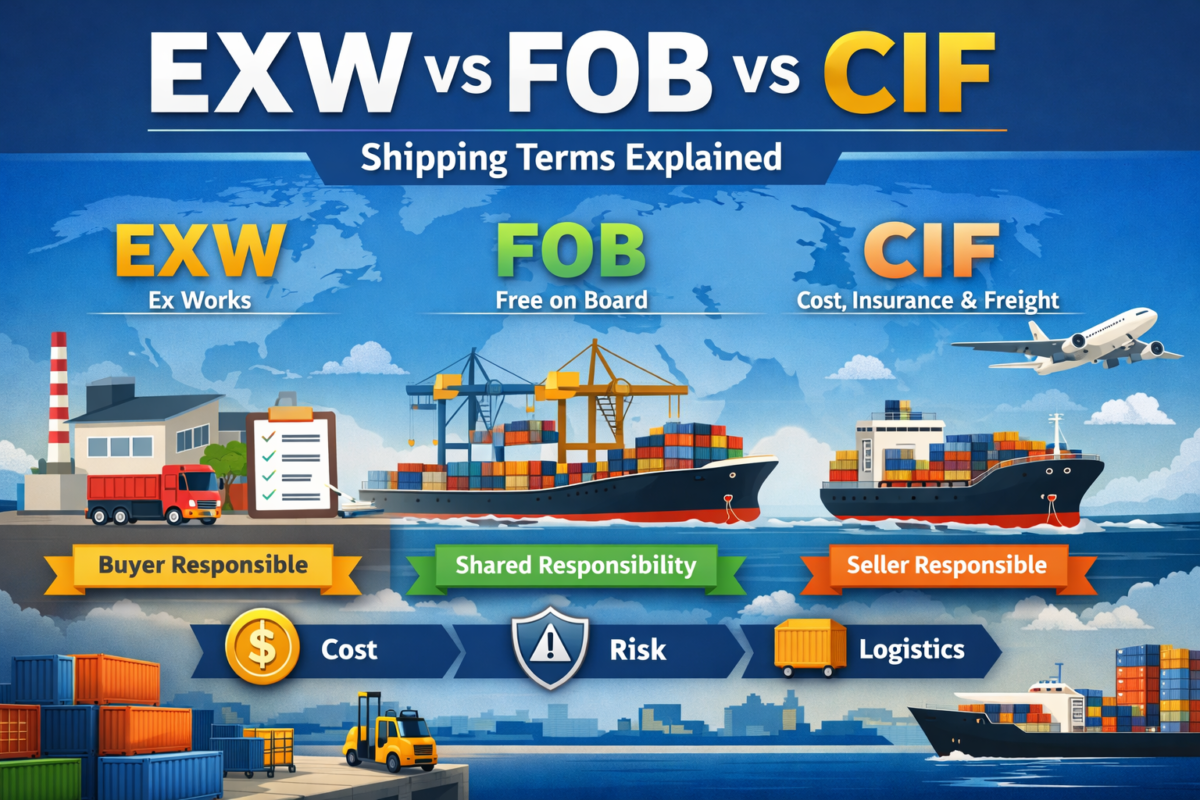

Custom Product Manufacturing in China : Tips for Beginners
December 3, 2025
How to Find China Private Label Manufacturer ?
December 8, 2025
Understanding The Rise of AI and Automation in China’s Trading Sector
Key Highlights
- China is rapidly integrating artificial intelligence and industrial robots to maintain its leadership in global trade.
- The country’s investment in AI is revolutionizing manufacturing and strengthening its supply chains.
- Companies are using AI-driven solutions to boost efficiency, cut costs, and gain a competitive edge.
- This technological shift is transforming China’s economy, helping it navigate labor shortages and rising wages.
- Government support and strategic initiatives are accelerating AI adoption across various sectors.
Introduction
Welcome to a closer look at a major transformation happening in global trade. China’s economy is undergoing a significant shift, driven by the rapid adoption of artificial intelligence and automation. These digital technologies are not just modernizing industries; they are fundamentally reshaping how China competes on the world stage. From smart factories to AI-powered logistics, this technological revolution is ensuring China remains a powerhouse in the international market. Let’s explore how these changes are unfolding.
The Evolution of China’s Trade Landscape
China’s journey in global trade has been marked by dramatic historical shifts. For decades, its growth was fueled by abundant, low-cost labor, which turned it into the world’s factory. This model powered its economic expansion and established its dominance in manufacturing.
However, recent years have brought new challenges, including a shrinking workforce and rising wages. In response, the Chinese government is championing technological advancements to maintain its competitive edge. This has paved the way for a new era of trade, defined by innovation.
Historical Shifts in Trade and Technology
The foundation of China’s trade dominance is evolving. The old model, reliant on a massive labor force, is giving way to a new strategy centered on technology. In recent years, this transition has accelerated as companies integrate AI and automation directly into their production lines. This shift isn’t just about replacing human workers; it’s about creating a more efficient and resilient manufacturing sector.
How is AI and automation changing the way China’s trading sector operates? These technologies are streamlining everything from design to distribution. For example, AI algorithms can now predict market demand, optimize supply chains, and even manage factory operations with minimal human oversight. This allows Chinese companies to produce goods faster and at a lower cost, keeping them competitive.
This change in China’s model has broad implications for the development of the world economy. By embracing automation, China is setting a new standard for industrial productivity and influencing how other nations approach manufacturing and trade in an increasingly digital world.
Drivers Behind AI and Automation Adoption
Several key factors are pushing China to embrace AI and automation. Chinese leaders see AI development as a crucial part of their national economic policy, essential for maintaining a strong position in the global economy. They are actively encouraging companies to invest in these technologies to overcome pressing challenges.
The primary drivers for this push include:
- A shrinking workforce and rising labor costs.
- The need to increase productivity and efficiency to stay ahead of competitors.
- Geopolitical tensions and trade disputes, which create a need for greater self-reliance.
What are the main benefits of using AI in China’s trade and manufacturing industries? The adoption of industrial robots and AI-powered systems leads to faster production cycles, reduced operational expenses, and improved product quality. This technological pivot is not just a response to current problems but a strategic move to secure long-term economic strength and innovation leadership.
AI Technologies Transforming China’s Trading Sector
A wave of advanced AI technologies is sweeping through China’s trading sector, bringing unprecedented change. Tech companies are at the forefront, developing and deploying powerful tools that leverage artificial intelligence to optimize complex processes. These innovations are moving beyond simple automation and into the realm of intelligent decision-making.
From machine learning algorithms that forecast consumer trends to platforms that analyze big data for market insights, AI is becoming deeply embedded in the trade ecosystem. This integration is helping businesses become more agile, responsive, and profitable. We will now look at some specific applications of these transformative technologies.
Machine Learning and Predictive Analytics Applications
Machine learning and predictive analytics are at the heart of China’s trade transformation. Instead of relying on past trends alone, companies now use sophisticated algorithms to sift through vast amounts of big data and forecast future outcomes with remarkable accuracy. This allows them to anticipate market shifts, manage inventory more effectively, and tailor their products to consumer needs.
How is AI and automation changing the way China’s trading sector operates? Data analysts are using these tools to identify patterns that would be impossible for humans to spot. For instance, predictive analytics can help a company determine the optimal time to ship goods to avoid port congestion or predict which products will be in high demand during a specific season.
Even generative AI is playing a role, helping companies like Bosideng accelerate design processes and reduce sampling costs. By turning data into actionable insights, these technologies are giving Chinese firms a significant competitive advantage in the fast-paced world of international trade.
AI-Powered Platforms for International Trade
The digital economy in China is buzzing with AI-powered platforms designed to simplify international trade. Companies are developing a wide range of tools, from large language models (LLMs) that facilitate cross-border communication to comprehensive platforms that manage logistics and customs clearance. These solutions are often delivered through cloud computing, making them accessible and scalable for businesses of all sizes.
Which types of automation technologies are most widely used in China’s trading industry? While industrial robots are prevalent in manufacturing, AI-powered software platforms are becoming indispensable in the trade sector. An example is the DeepSeek AI app, which has seen millions of downloads on the App Store and Google Play. It showcases the demand for accessible AI tools that can perform complex tasks.
These platforms integrate various functions, offering a one-stop-shop for exporters and importers. They can optimize shipping routes, track cargo in real-time, and automate tedious paperwork, making the entire trade process faster and more transparent. This is a key part of China’s strategy to digitize its trade infrastructure.
Automation Solutions Reshaping Supply Chains
Automation is completely overhauling China’s supply chains, making them more efficient and resilient than ever before. From warehouses to ports, automated systems are taking over repetitive and labor-intensive tasks. This allows for faster processing of goods and a significant reduction in human error.
The integration of industrial robots and other automation technologies is helping companies lower their unit costs and improve delivery times. This enhancement of the supply chain is crucial for maintaining a competitive edge in the global market. Let’s explore how robotics and smart factories are driving this change.
Robotics Integration in Warehousing and Logistics
Industrial robots are becoming a common sight in China’s warehouses and logistics centers. These machines are capable of handling everything from sorting and packing to loading and unloading cargo, operating 24/7 without fatigue. The widespread adoption of robotics is a direct response to the need for faster and more accurate order fulfillment in a booming e-commerce market.
One of the most significant examples of AI-driven innovation is the use of humanoid robots in warehouses. These robots can perform complex tasks like folding shirts or preparing packages, demonstrating a new level of flexibility in automation. This integration helps streamline supply chains and leads to substantial cost savings.
Ultimately, the goal is to create a fully automated logistics network that can support China’s massive global production and export operations. By making supply chains smarter and more efficient, China is solidifying its position as a central hub in the world of trade.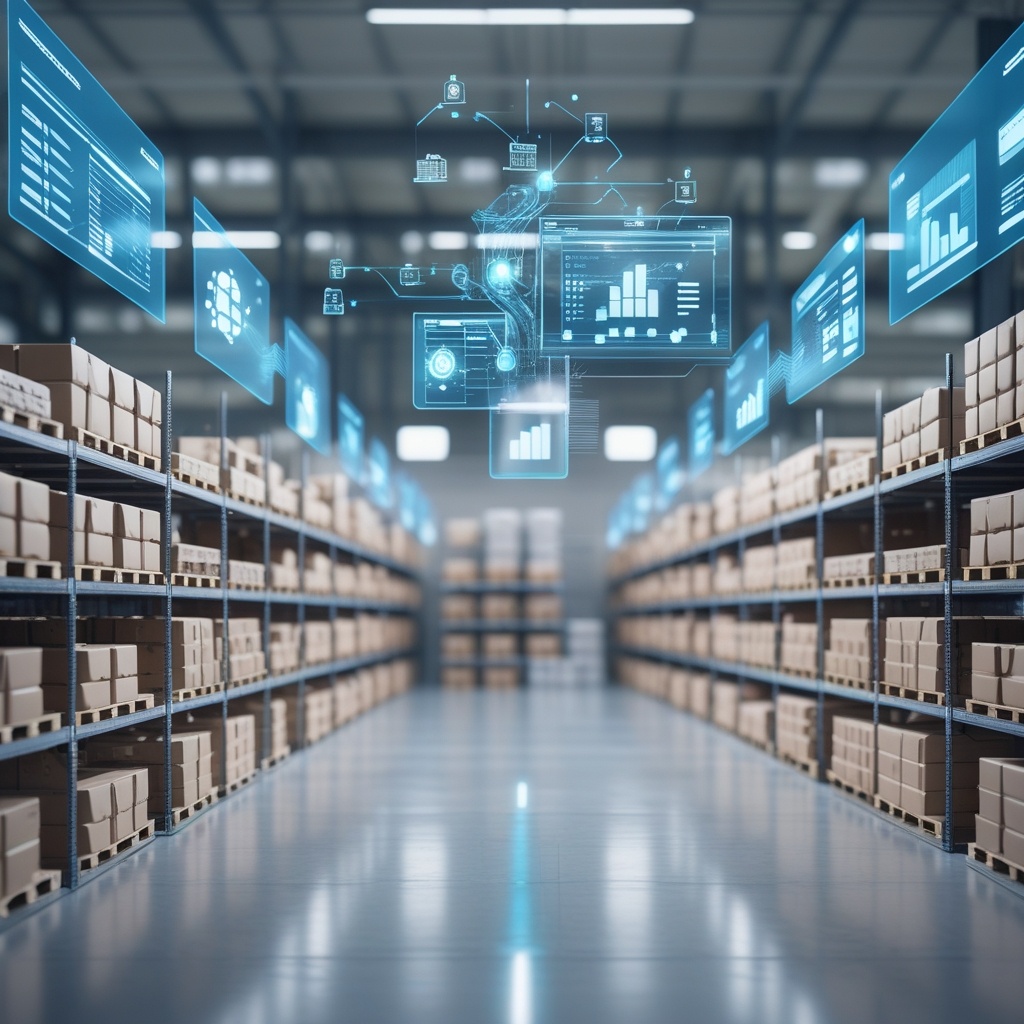
Smart Factories and Industrial Automation Trends
The concept of the “smart factory” is becoming a reality across China. These are not just automated facilities; they are highly integrated environments where industrial automation, AI, and the Internet of Things (IoT) work together. In these factories, production lines are monitored and optimized in real-time by AI systems, leading to significant gains in productivity.
How is AI and automation changing the way China’s trading sector operates? In a smart factory, AI can predict when a machine needs maintenance, adjust production schedules based on incoming orders, and ensure that every product meets quality standards. This level of control boosts energy efficiency and reduces waste. For example, steel giant Baosteel operates “dark factories” where AI has dramatically reduced the need for human intervention.
While these advancements are impressive, they also bring challenges related to data security. Protecting sensitive production data from cybersecurity threats is a top priority for companies operating these advanced facilities. The trend, however, is clear: smart factories are the future of manufacturing in China.
Key Benefits of AI and Automation in Trade
The adoption of AI and automation in China’s trade sector offers a host of powerful benefits. At the forefront are significant cost savings and a dramatic increase in efficiency. By automating repetitive tasks and optimizing complex processes, companies can do more with less, directly impacting their bottom line.
These digital technologies also provide a crucial competitive advantage. In a fast-moving global market, the ability to make smarter, data-driven decisions and respond quickly to changes is invaluable. Let’s examine how these benefits are realized through cost reduction and enhanced decision-making.
Increased Efficiency and Cost Reduction
One of the most tangible outcomes of AI and automation is increased efficiency. In manufacturing, robots on assembly lines work faster and more consistently than humans, leading to higher output. In logistics, AI-powered systems optimize routes and scheduling at ports, slashing turnaround times from hours to minutes. This surge in productivity is a key component of China’s current economic policy.
What are the main benefits of using AI in China’s trade and manufacturing industries? The direct result of this efficiency is significant cost savings. By reducing labor needs, minimizing errors, and optimizing resource use, companies can lower their unit costs. For instance, the cement producer Conch Group uses AI to fine-tune its production process, saving millions of dollars annually on coal.
These cost reductions not only boost profits but also support the green transition by promoting energy efficiency. As Chinese companies become more efficient, they are better positioned to compete globally while also meeting environmental goals.
Enhanced Data-Driven Decision Making
AI is transforming decision-making from a process based on experience and intuition to one driven by data. Chinese companies are harnessing the power of big data to gain deep insights into their operations, customers, and markets. Data analysts use advanced tools to analyze this information, uncovering trends and opportunities that would otherwise remain hidden.
What are the main benefits of using AI in China’s trade and manufacturing industries? A major benefit is the ability to use predictive analytics to anticipate future events. Whether it’s forecasting demand for a new product or identifying potential supply chain disruptions, data-driven predictions allow businesses to be proactive rather than reactive. This leads to better strategic planning and risk management.
This shift is supported by investments in both software and hardware development, ensuring that companies have the computing power needed to process massive datasets. Ultimately, enhanced data-driven decision-making gives Chinese firms a powerful competitive edge in the global marketplace.
Impact on Jobs and Workforce Dynamics
The rise of automation and AI is inevitably changing the landscape of jobs in China. While some traditional roles, particularly in manufacturing and logistics, are being phased out, new opportunities are emerging. The workforce is shifting away from manual labor and toward roles that require new technical skills.
This transition presents both challenges and opportunities. There is a growing demand for workers who can design, operate, and maintain these advanced systems. Preparing the workforce for this new reality is a key focus for both companies and the government. Let’s look at the new roles being created and the initiatives to upskill workers.
Emerging Roles in AI-driven Environments
As automation takes over routine tasks, the demand for new, specialized roles is growing. The impact on jobs is not just about eliminating old factory jobs; it’s about creating new ones that require a different set of skills. People are needed to manage the very technologies that are driving this transformation.
Some of the key emerging roles include:
- Data Analysts: Professionals who can interpret the vast amounts of data generated by AI systems to provide business insights.
- AI and Robotics Specialists: Engineers and technicians who design, build, and maintain automated systems and industrial robots.
- AI System Supervisors: Workers who oversee AI operations in smart factories and logistics centers, ensuring they run smoothly.
This shift extends beyond manufacturing. For example, AI is being used in the development of autonomous vehicles and electric vehicles, as well as in health care for tasks like analyzing clinical trials. This creates a diverse range of new career paths that didn’t exist a decade ago.
Workforce Upskilling Initiatives in China
To keep pace with technological change, a massive effort is underway in China to upskill the workforce. Chinese companies are investing heavily in skill training programs to equip their employees with the knowledge needed to work alongside AI and industrial robots. This is seen as essential for a smooth transition into a more automated future.
How are Chinese companies preparing their workforce for increased automation and AI? Many are partnering with educational institutions to develop specialized courses. These programs focus on digital literacy, data analysis, and robotics operation. The goal is to retrain existing workers, helping them move from manual labor to higher-skilled supervisory or technical roles.
The education system is also adapting, with a greater emphasis on science, technology, engineering, and math (STEM) fields. By fostering a new generation of tech-savvy workers and upskilling the current labor force, China is proactively managing the workforce changes brought on by AI and automation.
Innovations and Success Stories in China’s Trade Ecosystem
China’s trade ecosystem is buzzing with innovation, much of it driven by homegrown tech companies. These firms are not just adopting global technologies; they are leading the way with indigenous innovation, creating new AI tools and platforms that are pushing the boundaries of what’s possible. This is solidifying China’s status as a hub for global innovation.
The success of these companies is reflected in the growing efficiency and competitiveness of Chinese exports. From startups to established giants, these firms provide powerful examples of how AI is being applied in the real world. Let’s look at some of the key players and their groundbreaking work.
Notable AI Startups and Corporate Leaders
China is home to a vibrant mix of established tech companies and dynamic startups that are spearheading AI innovation. Giants like Tencent and Baidu are investing billions in R&D, while newer players like DeepSeek are making waves on the global stage. For many of these Chinese firms, developing a powerful AI tool is a top priority.
The success of these companies has even caught the attention of Wall Street, as their innovations are reshaping industries. For example, DeepSeek’s advanced language model has demonstrated that Chinese firms can compete with, and even surpass, their Western counterparts. Below are a few examples of leading companies and their contributions.
| Company | Key AI Innovation |
|---|---|
| Tencent | Hunyuan large language model, used across gaming, fintech, and enterprise solutions. |
| Baidu | Leadership in AI-driven solutions and autonomous driving. |
| Xiaomi | Development of a massive AI-powered Internet of Things (IoT) ecosystem. |
| iFlytek | Specialization in voice recognition and natural language processing for various industries. |
These examples highlight the diverse ways AI is being applied to drive growth and efficiency.
Real-world Examples from Manufacturing and Export Sectors
The impact of AI is clearly visible in China’s manufacturing and export sectors. Companies are using technology to boost productivity and maintain their position as global leaders. For instance, appliance maker Midea acquired robotics firm Kuka and developed an AI “factory brain” to coordinate its automated production lines. This has led to a nearly 40% jump in revenue per employee.
In another example, down jacket giant Bosideng is using AI to accelerate its design process. By partnering with a university, they developed an AI model that cuts the time to produce a sample from 100 days to just 27, while also reducing costs by 60%. This agility is crucial for staying competitive in the fast-moving fashion industry.
These innovations are helping to sustain the annual growth rate of Chinese exports, even in the face of global economic challenges. They show how practical applications of AI can deliver tangible results, transforming traditional industries and strengthening China’s role in global trade.
Challenges Facing AI and Automation Adoption
Despite the rapid progress, the widespread adoption of AI and automation in China is not without its challenges. Companies face significant technical barriers, including the need for massive computing power and the difficulty of integrating new systems with legacy infrastructure. Furthermore, the increased reliance on data raises serious concerns about data security.
Beyond the technical hurdles, businesses must also navigate a complex and evolving regulatory environment. These challenges can slow down the pace of innovation and require careful strategic planning. Let’s take a closer look at these technical and regulatory issues.
Technical Barriers and Cybersecurity Concerns
One of the main challenges China faces is overcoming technical barriers. The global AI race is heavily dependent on access to advanced semiconductor chips, and U.S. restrictions on these components have created a significant hurdle. Although Chinese companies have shown they can design and manufacture advanced chips, closing the gap with the frontier of technology takes time.
Another major concern is data security. As factories and supply chains become more connected through cloud computing and IoT devices, they also become more vulnerable to cybersecurity threats. A successful cyberattack on a smart factory or an automated port could cause massive disruptions and financial losses, making robust security measures essential.
Furthermore, training effective AI models requires vast amounts of high-quality data. In some cases, censorship and data restrictions can limit the diversity of data available, potentially hindering the development of more advanced large language models. These technical and security issues must be addressed to sustain the pace of AI adoption.
Regulatory Environment and Policy Hurdles
Navigating the regulatory environment presents another set of challenges. The Chinese government has been supportive of AI development, but it also maintains strict control over data and media, which can create policy hurdles for companies. For instance, censorship rules can affect the training of large language models and restrict the use of platforms like ChatGPT.
On the international front, trade tensions add another layer of complexity. The policies of the Trump administration, which included tariffs and restrictions on Chinese tech companies, created significant uncertainty. These trade disputes can impact supply chains and access to key technologies, forcing companies to adapt their strategies.
Additionally, Chinese firms must contend with regulations in other markets, such as the European Union’s strict data privacy laws. Balancing domestic rules with international standards is a constant challenge for companies engaged in global trade, requiring them to be agile and well-informed about the shifting policy landscape.
China’s Government Support and Strategic Initiatives
The Chinese government is a key driver behind the country’s push into AI and automation. It views technological innovation not just as an economic opportunity but as a cornerstone of national development. Through strategic policies and substantial investments, the government is creating a fertile ground for AI to flourish.
This support comes in many forms, from funding research and development to creating national plans that guide the country’s technological trajectory. This top-down approach ensures that AI adoption is a coordinated, nationwide effort. Let’s explore the government’s development plans and investment strategies.
National AI Development Plans
The Chinese government has laid out a clear roadmap for AI development. In 2017, it released the “Next Generation Artificial Intelligence Development Plan,” which set the ambitious goal of making China a world leader in AI by 2030. This plan outlines a comprehensive strategy for integrating AI across various sectors to drive economic transformation.
As part of these national plans, the government actively works with the private sector and universities to advance AI technology. One key initiative is the establishment of a National Computing Power Grid, which provides AI companies with access to shared computing resources. This reduces the need for individual firms to make massive investments in their own infrastructure.
This strategic approach helps the country become more self-reliant, especially in the face of challenges like new China tariffs and technology restrictions. By setting clear goals and providing robust support, the government is ensuring that China remains on track to become one of the top global leaders in AI.
Investments in Innovation and Talent Cultivation
Beyond national plans, the Chinese government is making substantial investments in innovation and talent cultivation. This includes direct funding for research and development in key areas like AI, as well as incentives for companies to invest in new technologies. A Wall Street Journal article highlighted how this focus on technology is helping remake the Chinese economy.
A crucial part of this strategy is nurturing a skilled workforce. The government is reforming the education system to emphasize STEM skills and is supporting programs that train workers for the jobs of the future. This focus extends to various sectors, including health care, where AI is being used to improve diagnostics and treatment.
By investing in both technology and people, the government is creating a sustainable ecosystem for innovation. This dual approach of funding cutting-edge research while also ensuring there is a pipeline of skilled talent is fundamental to China’s long-term goal of AI leadership.
Automation and AI’s Role in Global Competitiveness
The rapid adoption of artificial intelligence and automation is a game-changer for China’s global competitiveness. By making its industries more efficient and innovative, China is strengthening its position in the global supply chain. This technological leap gives the country a significant competitive advantage over its rivals.
As AI becomes more integrated into its economy, China is not just competing on cost but also on speed, quality, and technological sophistication. This shift has profound implications for its trade relationships and its overall standing in the world. Let’s examine how this is affecting its interactions with the U.S. and its role globally.
Trade Relationships with the United States
China’s embrace of AI is reshaping its trade relationships, particularly with the United States. As China becomes more technologically advanced and self-reliant, the dynamics of global trade are shifting. The U.S. has responded with measures like tariffs and technology restrictions, aiming to counter China’s growing influence.
However, China’s AI-driven efficiency allows it to blunt the impact of these measures. By producing goods more cheaply and quickly, Chinese companies can remain competitive even with tariffs in place. This has led to a complex and often tense trade relationship, with both countries vying for technological supremacy.
While the focus is often on the U.S., China is also strengthening its trade ties with the rest of the world, including neighboring Asian countries and regions like Hong Kong. By diversifying its trade partners and leveraging its technological edge, China is working to secure its position in the global market, regardless of its relationship with any single country.
China’s Position in the Global Supply Chain
AI and automation are cementing China’s central role in the global supply chain. By creating highly efficient factories and logistics networks, China can produce and move goods at a scale and speed that is difficult for other nations to match. This makes it an indispensable partner for companies around the world that rely on its manufacturing capabilities.
This technological leadership also allows China to contribute to solving global challenges. For example, AI-driven efficiencies can help reduce energy consumption, contributing to efforts to combat climate change. In addition, advancements in agricultural technology could play a role in ensuring global food security.
China’s influence on the development of the world is growing as it becomes a leader in key technologies. Its ability to innovate and scale production quickly ensures that it will remain a critical part of the global economy and a major player in shaping the future of the global supply chain.
Preparing for the Future: Workforce and Education
As China charges into a future dominated by digital technologies, preparing its workforce and education system is a top priority. The shift toward an AI-driven economy requires a new set of skills, and ensuring that people are ready for this transition is crucial for long-term success.
This involves a two-pronged approach: implementing comprehensive skill training programs for the current workforce and fostering collaboration between industry and academia to shape the education of the next generation. Let’s explore how China is tackling this important challenge.
Skill Training Programs for Automation Readiness
To ensure automation readiness, China is rolling out extensive skill training programs across the country. These initiatives are a key part of the government’s economic policy and are designed to help workers adapt to the changing job market. The focus is on equipping them with the technical skills needed to thrive in an automated environment.
How are Chinese companies preparing their workforce for increased automation and AI? They are actively involved in this effort, offering on-the-job training and sponsoring specialized courses. These programs often teach employees how to operate new machinery, analyze data, or supervise AI-driven processes. The goal is to transition workers from manual roles to more value-added positions.
This approach not only helps individual workers secure their future but also ensures that companies have the talent they need to operate their advanced systems. It’s a proactive strategy that bridges the gap between today’s workforce and tomorrow’s technology.
Collaboration Between Industry and Academia
Strong collaboration between industry and academia is vital for building a talent pipeline for the digital economy. Chinese companies are partnering with universities and vocational schools to ensure that the education system is aligned with the needs of the modern workplace. This synergy helps drive innovation and prepares students for real-world challenges.
These partnerships take many forms, from joint research projects in areas like hardware development to internship programs that give students hands-on experience. For example, apparel company Bosideng collaborated with Zhejiang University to develop its AI design model. This kind of teamwork ensures that academic research has practical applications.
By working together, industry and academia can create a virtuous cycle. Companies get access to fresh talent and cutting-edge research, while the education system stays relevant and produces graduates who are ready to contribute to China’s growing digital economy from day one.
Conclusion
In summary, the rise of AI and automation in China’s trade sector marks a significant transformation that enhances efficiency and competitiveness. As technology continues to evolve, it is crucial for stakeholders to adapt to these changes by embracing innovation and reskilling their workforce. The benefits are clear, from improved decision-making through data analytics to streamlined supply chains powered by robotics. However, challenges such as cybersecurity and regulatory hurdles remain, necessitating ongoing collaboration between government, industry, and educational institutions. As we look ahead, staying informed and prepared will be essential for thriving in this dynamic landscape. If you’re looking to understand how these trends can impact your business or career, don’t hesitate to reach out for more insights.
Frequently Asked Questions
How does AI affect traditional jobs in China’s trade sector?
Artificial intelligence is displacing some traditional factory jobs that involve repetitive tasks. However, it is also creating new roles for data analysts and AI system supervisors. This shift requires the workforce to acquire new technical skills, moving from manual labor to more knowledge-based work, ultimately transforming the job market.
Which automation technologies are most widely adopted in China’s trading industry?
The most widely adopted automation technologies in China’s trading industry include industrial robots on production lines and in warehouses. In addition, smart factories are leveraging machine learning and AI-powered software platforms to optimize operations, manage supply chains, and improve overall efficiency from end to end.
What strategies are Chinese companies using to prepare employees for AI integration?
Chinese companies are heavily investing in upskilling their workforce through comprehensive skill training programs. They collaborate with the education system to develop relevant curricula and provide on-the-job training in digital technologies, ensuring employees are prepared for the transition to an AI-integrated workplace.
Are you searching for a manufacturer in China to develop your products , get in touch with Nexofetch today to get your project started. We acts as your on ground team in China .