
How to Import Products from China Successfully in 2025
June 6, 2025
Buying from China: A Complete Guide for Importers in 2025
June 11, 2025

Key Highlights
- Navigating Chinese Suppliers: Learn how to identify trustworthy suppliers to ensure a seamless sourcing experience.
- Cost-Effective Sourcing: Discover how buying bulk helps reduce costs while scaling your operations.
- Addressing Communication Challenges: Tackle cultural differences and language barriers effectively during email correspondence with suppliers mainland China.
- Managing Shipping Logistics: Explore shipping strategies, including cargo insurance, to protect your shipments.
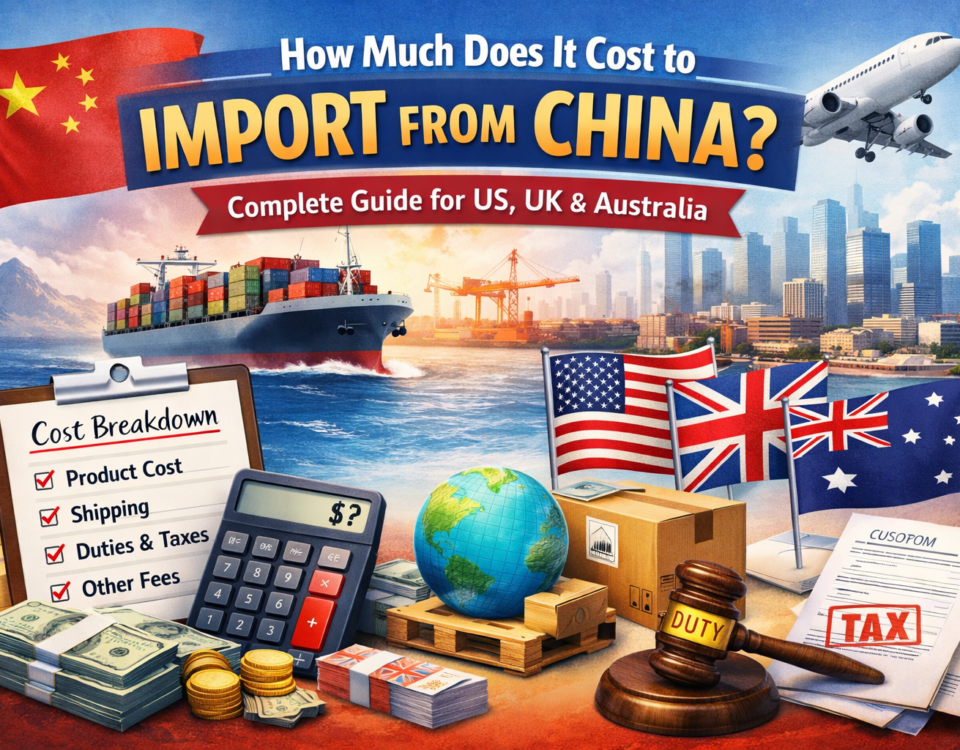
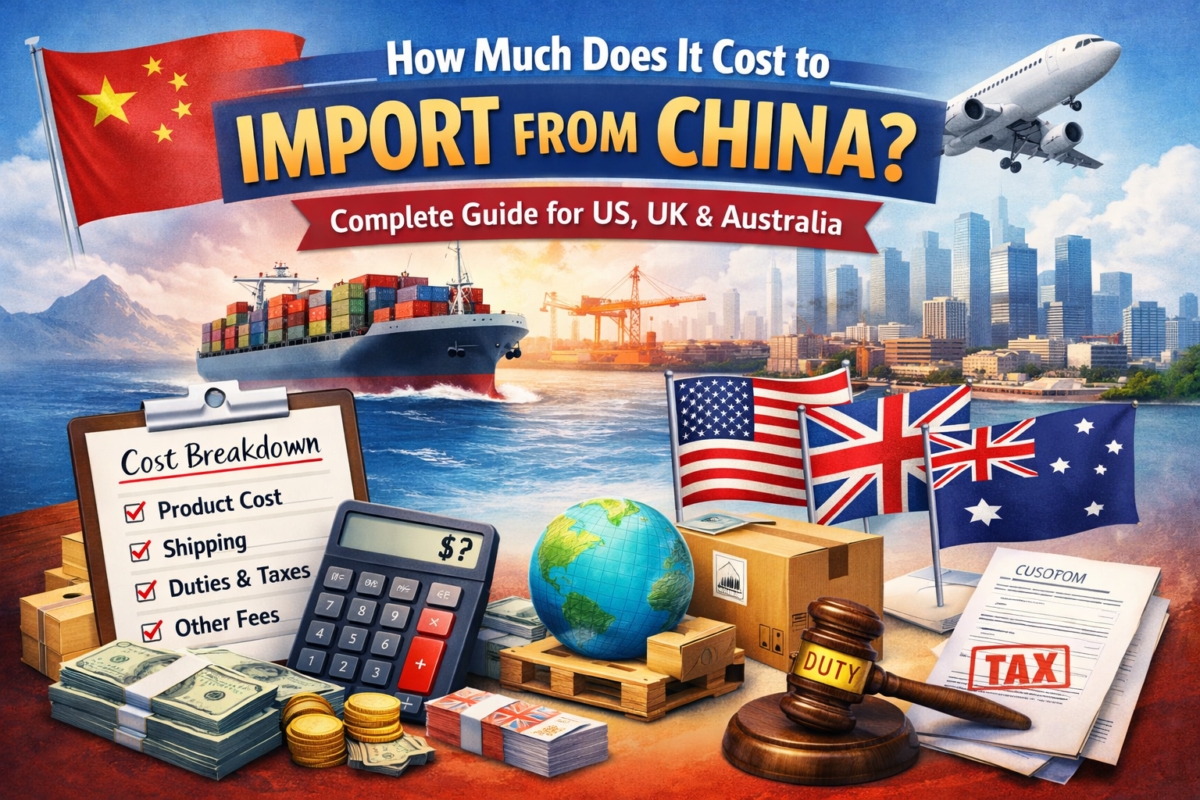
- Navigating Tariffs and Import Regulations: Understand the duties and regulations for successful importing to countries like the U.S. and Europe.
Introduction
Are you interested in buying from China but don’t know how to start? China is well known for its huge factories and low pricing. That is why many importers around the world, including in America, like to work with Chinese suppliers. They often use these suppliers to grow their business and save money at the same time. But to source products well, you need to do some planning. You also have to know about logistics, tariffs, and if a supplier is trustworthy. In this guide, you will find everything you need to know to make your buying in China smooth and successful.
Understanding the Appeal of Buying from China
When people in the US look for the best place for sourcing products, they often think of China. China stands out because it has low production costs and plenty of raw materials. This makes it a good option for many importers.
Another thing that people like is how Chinese factories can easily make more products when needed. Their supply chain is smooth, so you can get more items, like accessories or things made of polyester, fast and without any fuss. Because China has many suppliers and can handle big orders, it leads the world in manufacturing.
Why Do So Many Americans Source Products from China?
China is a good place for American businesses because it helps save money. The main reason is that the costs of things like labor and making products are much lower there. This means companies can get better prices for their products. Even though there were tariffs added last year, the pricing from chinese suppliers is still hard to beat.
Another thing that makes sourcing from china a great choice is how the factories can make changes to fit what companies want. They can help make new designs or even work on a one-time sample for things like accessories and sports gear. This helps businesses give customers just what they are looking for.
There is also a big variety of things to choose from. This is true if you need to change production quickly or want polyester goods or special items. Chinese suppliers offer many options to suit all kinds of needs. All of this lets businesses grow without big problems, and it makes china a smart pick for american importers.
Key Advantages of Purchasing from Chinese Suppliers
Buying from China suppliers gives you some good advantages. It is a smart move if you want your business to grow and change the way you need.
- Cost-Effective Options: You can get polyester and other raw materials from China at a lower cost than in Western places.
- Customization Abilities: Chinese factories are very good at making new designs or samples that fit what you want.
- Consistent Lead Times: These manufacturers often give you steady production times. That helps, even if your business is getting bigger and needs more.
- Diverse Product Options: Chinese suppliers offer many things. You can get accessories or even bigger machines from them, as they work with almost every kind of product.
These reasons make China a top pick for importers who want to save money and bring in more products. But, there are also some challenges that you might run into if it is your first time with China sourcing. Let’s see what those are.
Common Challenges Faced by First-Time Buyers
 For new importers, getting raw materials from Chinese suppliers can seem hard. There can be communication barriers, mainly when you talk about packaging or customization. You may also face problems with quality standards and shipping logistics. If you do not handle these, it can cost you a lot.
But with good research and getting ready, you can get past these problems. There are ways to handle communication barriers with chinese suppliers and stay away from scams when sourcing. The next sections will show you some tips on what to do.
Communication Barriers and Cultural Differences
Working with Chinese suppliers can be hard because of language barriers. Many of these suppliers use translation tools or know some basic English. But there is still a lot of confusion when it comes to sharing detailed requirements.
Cultural differences are important too. For example, hong kong suppliers can have another way of handling talks than those from mainland China. If you are patient and ask clear questions using an email, it can help make things better.
It is good to know about the cultural habits, like how saving face is valuable. You should not get angry when there are problems. Instead, try to ask about the real issues in a calm way to find answers and keep working well with chinese suppliers.
Risks of Low-Quality Products and Scams
When it comes to buying from China, importers need to watch out for quality problems and possible scams.
- Low-Quality Goods: Some factories try to save money by using bad raw materials or cheap accessories. This can make the products break or not work well. Always get samples and check the supplier before you buy.
- Scam Tactics: Sometimes fake suppliers ask for money up front but do not send anything. To be safe, use payment systems like Alibaba Trade Assurance. This can help keep your money safe.
- Variance in Standards: Many factories in China may not follow U.S. quality rules. A good way to make sure the goods are right is to use third-party QC to double-check that they meet the standards.
If you check your suppliers and keep an eye on product quality, you can cut down these risks. This lets you focus on growing your business in a good way.
What You Need to Get Started with Buying from China
Getting started with sourcing in china means you need to be ready. First, write down a clear list of what you want in your products. List the material types and the way you want your packaging to look.
Then, you can use websites like Alibaba to help you find good suppliers. Be sure to learn about tariffs, as these costs can go up. Also, make sure your shipment follows all U.S. import rules. To be well prepared, you should use the best tools and resources you can get.
Essential tips and tricks
Choosing the Right Product and Supplier Research
Choosing the right suppliers and products is very important. Before you start looking for Chinese suppliers, you need to know details such as what raw materials you need and if you want them to change items for your own market.
Look at things like how fast factories reply, their shipping times, and how willing they are to change their prices.
At the end, you should order sample products first to see the quality before you decide to buy more. Doing these steps can save you money and help you avoid delays in making your products.
Step-by-Step Guide: How to Buy from China for Beginners
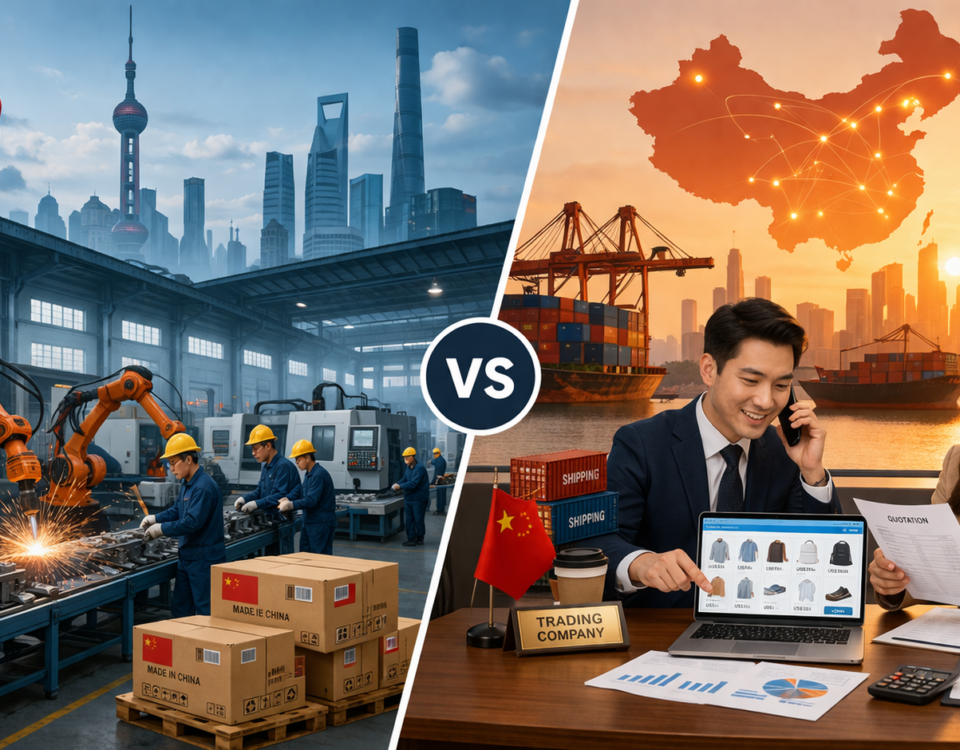
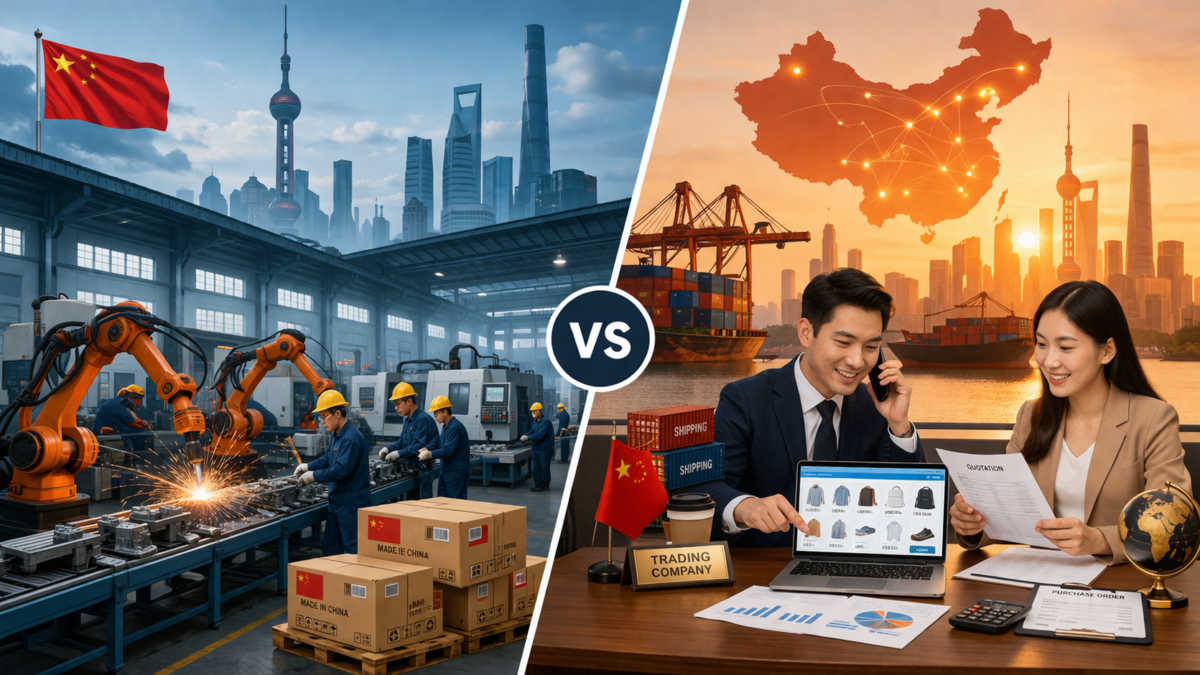
Buying from china needs you to follow a few key steps. First, you need to find good suppliers that will meet your needs. Platforms like alibaba can help with this and also let you check if a supplier is real.
Next, you should ask for samples. This step is important to see if the product quality is good enough. Once you are happy with the samples, you can talk about pricing and payment terms. The goal is to get good rates for you.
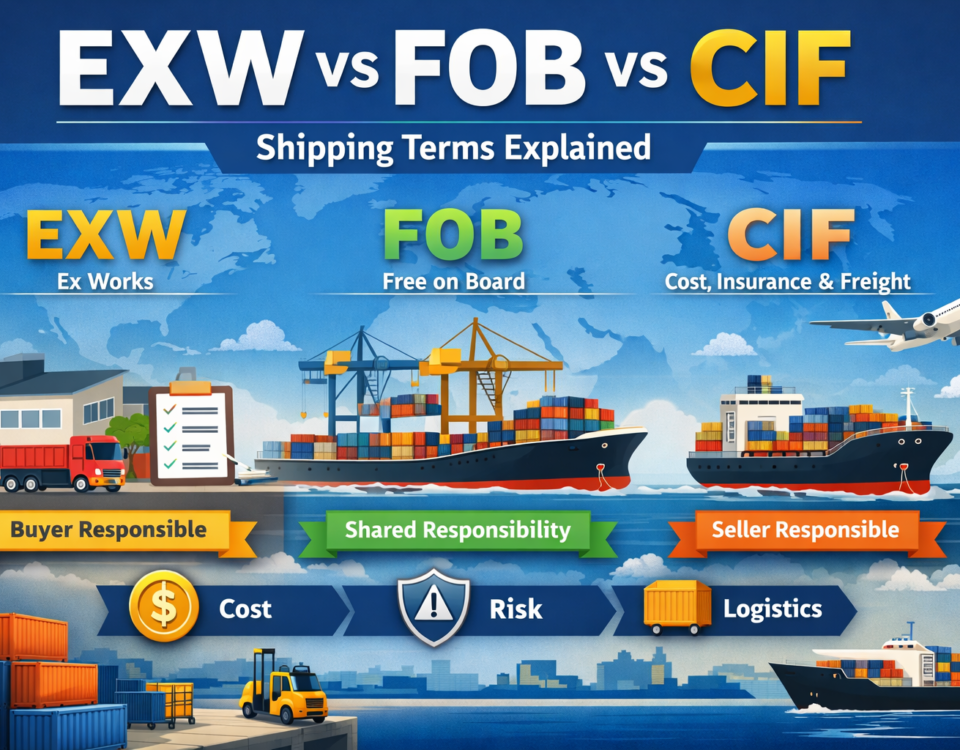
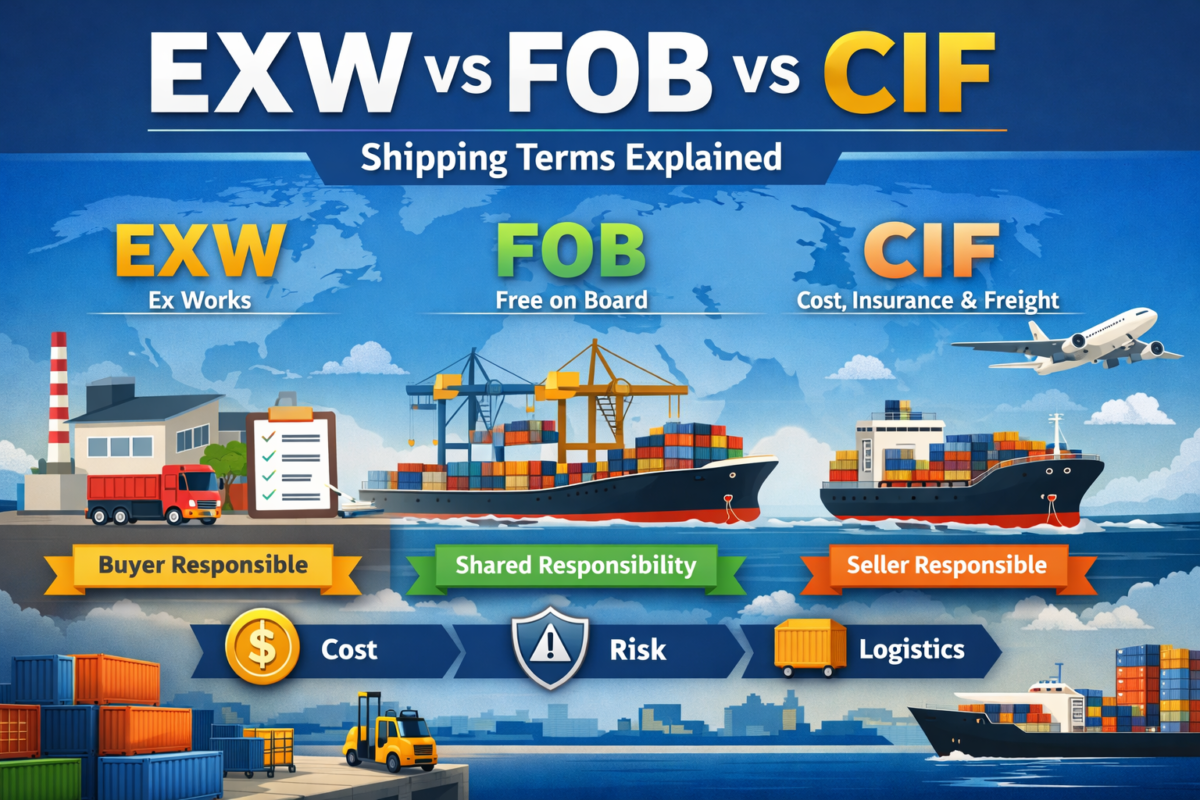
After that, it is time to work on shipping and logistics. You need to know about ways like DDP or air freight. These help you handle shipping from china and also customs. This way, you can make the whole process smooth and worry-free.
Step 1: Identifying Reliable Suppliers (Platforms and Verification)
Finding good and trustworthy Chinese suppliers can really help your business do well. You need to check if a supplier is reliable. Do this by looking at their reviews, their history, and how well they talk with you. Also, it is important to look at the shipping process. Make sure you look into cargo insurance. This helps keep your investment safe if something goes wrong while shipping. When you check possible Chinese suppliers carefully, you can handle tariffs in a better way. This also helps things to run more smoothly when you import your goods. In the end, you will likely get better pricing and more ways to customize your products.
Step 2: Requesting Samples and Assessing Product Quality
Samples show you the product quality right away. It is good to ask for more than one set so you can compare what the factory can do. For example, you may ask for three polyester samples to check if they all match well.
When you look at the product quality, see how it looks, how it works, and if it meets your standards. At this point, watch if the supplier is ready to make changes after your feedback.
By getting samples, you gain trust before you make larger orders. Remember to think about any ways it could get better when you check the factory.
Step 3: Negotiating Prices and Payment Terms
Smart negotiation helps you get better deals. Start by asking the supplier for pricing based on how much you buy. This makes it easy to see what you get for your money at each quantity level.
Also, talk with them about when to pay. Put down some money first, then pay the rest after they finish production. This will help you keep your cash moving. Make sure you both know about the tariffs and who handles the shipping. If you talk about these things early on, you have fewer problems later.
Using these steps makes you stronger when you talk about costs with suppliers who know a lot about pricing.
Step 4: Placing Orders and Managing Shipping Logistics
To finalize orders, you need to set clear terms for shipment and how it will be handled. Air freight works best if your products are light. Sea freight is better for heavy or large shipments.
Make sure you check production schedules with suppliers first. After that, share your shipping needs with the people or companies that handle logistics. It’s important to stay updated on where your goods are by getting regular updates from your cargo insurance provider. When you talk about the delivery time with your 3PL, it helps to make sure your inventory goes into storage smoothly when the shipment arrives.
Learning to handle shipping logistics makes it easier to meet delivery needs for your cross-border business.
Step 5: Understanding Customs, Duties, and Import Regulations in the U.S.
Understanding customs rules helps avoid delays. Start by getting the right HS codes from factories for your products. This helps with sorting out tariffs and any duties that come with them.
Next, make sure that all needed certifications are in place, especially if your items fall under rules for things like food or health. Hiring customs agents who know these rules can help you stay on the right side of the law and keep things moving.
In the end, knowing about duties and what to do ahead of time will make it easier to enter other markets, such as Europe and the U.S.
Tips and Tricks for a Smooth Experience while Buying from China
Maximizing smooth sourcing needs some key steps. First, you should have open lines for talking. Use email and WeChat so that you, the factory, and others can share updates and questions. Clear questions help stop any mix-ups between people.
Second, always try to reply fast when the factory asks something. If you take too long to get back, then your production and shipment can get delayed. So, plan ahead and stay active. When you do these things well, you will find it easier to handle sourcing as your work grows in different fields. The lessons you learn now can help make your sourcing better every time.
Building Effective Communication with Suppliers
Good communication is important to keep things running well. Start with short emails that give clear product details. This will help set things straight right from the start.
You can use platforms like WeChat to keep things a bit less formal. They work well for quick messages or when you want to talk about real-time issues. Using these also helps to break down cultural walls, like during early questions or giving feedback about quality. The best way to use all this is to make sure your suppliers stay active and involved during every step of making your product.
Strong relationships come from knowing key parts of the culture around Beijing’s factory areas. When everyone works together the right way, you will get good results and strong teamwork, even if you are not there in person.
Avoiding Common Pitfalls and Mistakes while buying from China
Many importers get caught in easy to avoid problems. You need to know the issues that come the way before making any agreements for sourcing from other countries.
- Overlooking Cultural Sensitivities: If you do not know about the other group’s ways and values, this can make talks hard and slow.
- Skipping Sample Evaluation: If you do not check samples first, you might get the wrong or bad goods. Fixing these later can cost a lot more. Sometimes, the fix takes lots of time or even stops your work for a while.
- Focusing Heavily Discounted Offers Ignoring Established Supplier Achievement Criteria: Many people just select low-price offers and ignore suppliers who do good work over time. They miss what the high-rated suppliers can do using joint logistics, which brings good sourcing and strong product value. Picking the cheapest supplier who does not care about your needs can cause you to lose your first big money, and in the end, you may have to find a new partner if things break.
Keep a close check on your suppliers at all times. This lets you have better choices, make good use of your logistics, and helps you keep profits up as an importer. Doing so gives you the best chance for steady work all year.
Conclusion
To sum up, buying from China works best when you know the steps and the possible problems. When you find good suppliers, check the quality of what you get, and handle the logistics well, you can get many benefits from sourcing products in China. Make sure you talk clearly with your suppliers. This will help you build trust, stay away from common problems, and keep your buying smooth. It does not matter if you are new or have done this for years. If you stay up-to-date with the best ways to do things, your sourcing experience will go better. If you want to know more or need one-on-one help, you can reach out for a consultation and make the buying process easier for you!
 Email: contact@nexofetch.com
 Website: www.nexofetch.com
 Call: +86 13145535570
 WhatsApp: +91 7508133592
Frequently Asked Questions
How do I find trustworthy suppliers when buying from China?
To get good suppliers in China, it is smart to use well-known websites like Alibaba and Global Sources. Check their background by looking at business licenses. You can also read what other people say about them in reviews. Ask them for references. If you want even more safety, try to visit the factory or hire someone who can check it for you. This will help you know if they are to be trusted.
Is it safe to pay Chinese suppliers upfront?
Paying chinese suppliers before getting your goods can be risky. So, it is important to first check if they are real and can be trusted. You should use trusted websites and look at reviews or talk to other people who have worked with them. If you use secure ways to pay, like escrow services, you can lower the chances of losing your money and make the deal go more smoothly.
What are the best shipping options for small businesses in the United States?
When you pick shipping options for a small business in the U.S., make sure you think about how reliable they are, what they cost, and how fast they get things to your customers. USPS gives you good shipping rates if you want to save money. UPS is known to be fast if you need quick delivery. FedEx is also a good choice, as it lets you track your shipments well. Take some time to look at what each company gives you, so you can find the best one for what your business and your customers need.
How can I ensure my products meet U.S. quality standards?
To be sure that your products meet U.S. quality standards, you should learn about the rules and official certifications that apply. Use third-party testing services, and check that your suppliers have good quality control steps. You can also do regular checks and audits. This helps you stay in line with the rules and keeps your products safe during the procurement process.