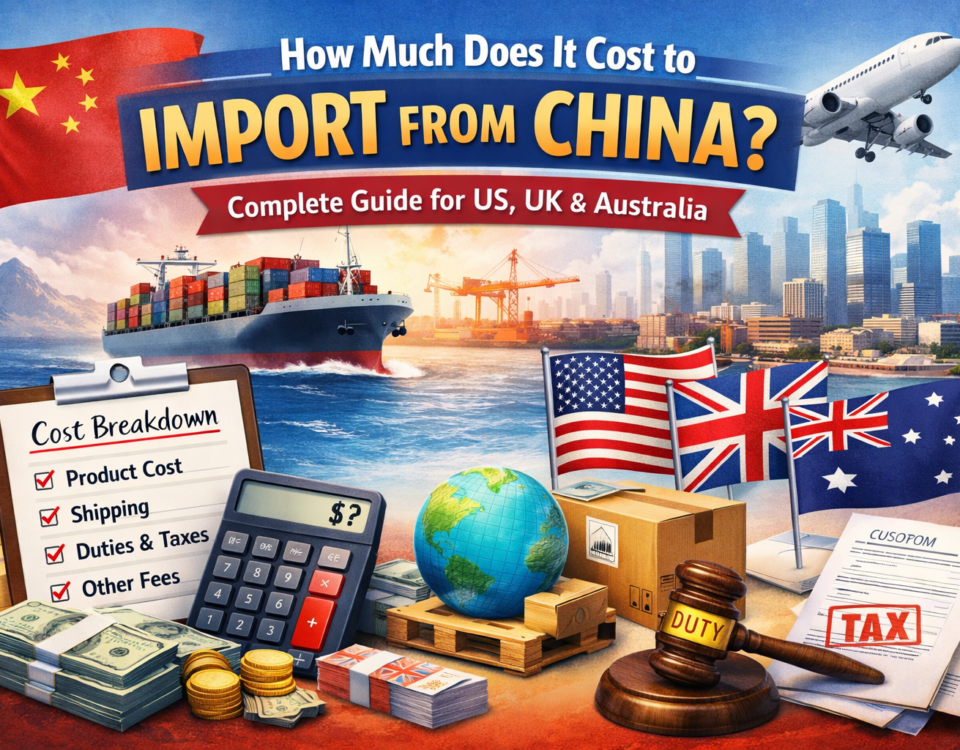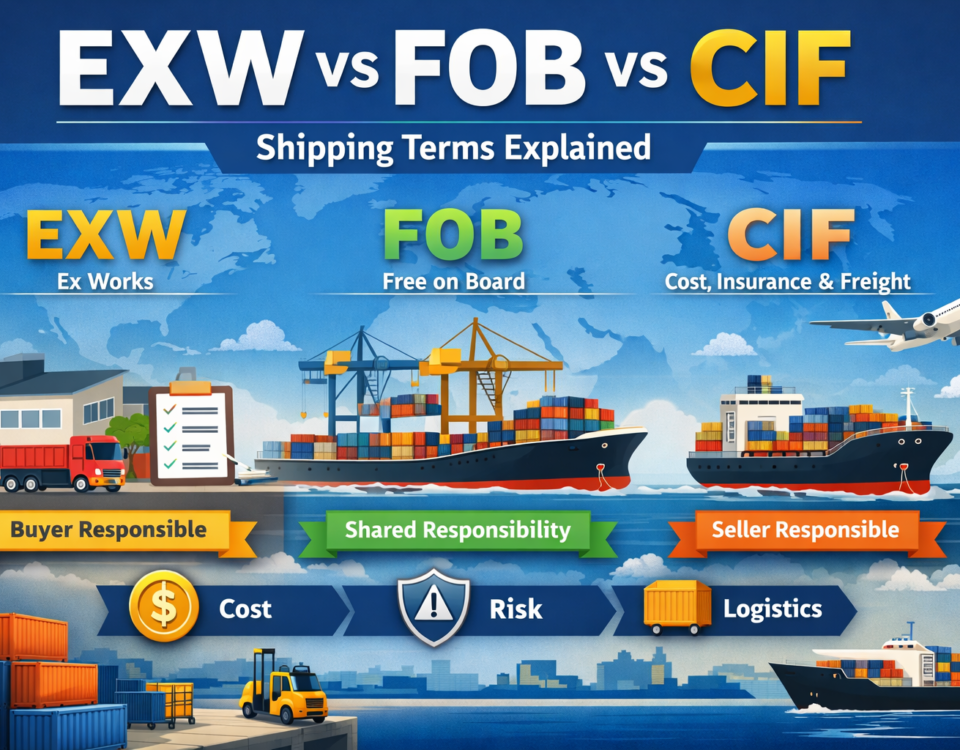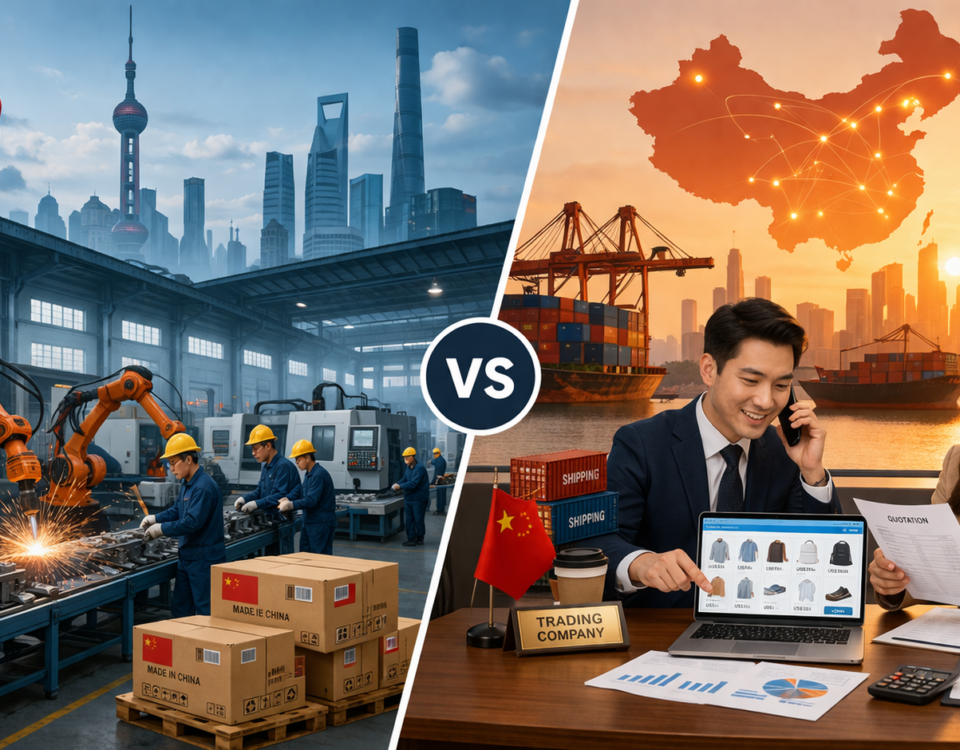
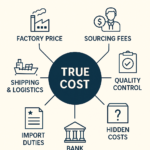
Breaking Down the True Cost of Sourcing from China
July 24, 2025
How to Avoid Hidden Prices in Chinese Supply Chains
July 31, 2025
Choosing the right supplier from China goes far beyond comparing prices. Overlooking warning signs can lead to poor quality, costly delays, compliance woes, and reputational damage. Here’s a detailed guide to the common red flags and how you can spot risky suppliers before committing.
1. Lack of Transparency
-
Incomplete company information, vague business licenses, or reluctance to share details about company ownership.
-
Refusal to arrange factory visits or provide clear addresses and contact details.
-
Providing inconsistent or unverifiable references.
A reputable supplier should be fully transparent, willingly provide documentation, and facilitate audits or visits.
2. Poor Communication
-
Slow responses or inconsistent replies to emails and calls.
-
Avoidant or evasive answers to direct questions.
-
Lack of clear points of contact or frequently changing personnel.
Effective communication is essential for resolving issues and ensuring smooth transactions.
3. Financial Instability
-
Unwillingness to disclose financial records or poor financial standing (as seen in overdue payments to their own suppliers or negative credit reports).
-
Frequent changes to banking details or requests for unconventional payment methods.
Financially unstable suppliers risk failing to deliver or disappearing with deposits.
4. Questionable Quality Management
-
No quality certifications (such as ISO 9001, or industry-specific certifications) or forged documents.
-
High defect rates or inconsistent product samples.
-
Unwillingness to support independent quality inspections or audits.
Quality management lapses can directly lead to defective goods and regulatory non-compliance.
5. Unstable Supply or Missed Deadlines
-
Previous incidents of delayed shipments or failure to meet contract terms.
-
Frequent production interruptions, unexplained scheduling changes, or lack of capacity assurance.
Reliability is critical—persistent delays signal fundamental operational problems.
6. Negative Reputation and Lack of References
-
Negative reviews, unresolved complaints online or from previous customers.
-
Refusal to provide credible customer references or testimonials.
-
Bad reputation within industry forums or with other buyers.
Research supplier reputation using independent sources whenever possible.
7. Noncompliance with Laws, Ethics, or ESG Standards
-
Ignoring or failing to meet compliance requirements on labor, environment, product safety, or anti-bribery.
-
Inadequate awareness of required import/export regulations or certification processes.
-
Poor record in social responsibility or environmental, social, and governance (ESG) areas.
Noncompliance can lead to shipment seizure, brand damage, or legal penalties.
8. Pricing That’s Too Good to Be True
-
Unusually low prices compared to the market average.
-
Vague terms around price changes, hidden fees, or shifting quotes after agreement.
Extreme lowballing is often a sign of hidden trade-offs: poor quality, fake goods, or bait-and-switch tactics.
How to Protect Your Business
-
Always conduct a thorough supplier risk assessment including factory audits, financial checks, and requesting certifications.
-
Use risk assessment matrices or scorecards to rate suppliers on dimensions such as financial health, delivery performance, and compliance.
-
Re-evaluate key suppliers regularly—not just at onboarding—to catch emerging risks.
Spotting these warning signs early can save your business from costly mistakes, shipment disasters, or compliance headaches. Invest in due diligence, and never ignore red flags—your supply chain’s strength depends on it.
If you are looking for a sourcing company in China , please contact Nexofetch today .
 Email: contact@nexofetch.com
 Website: www.nexofetch.com
 Call: +86 13145535570