Acne Patch Manufacturer in China | Private Label, Low MOQ & Bulk Supply
November 20, 2025
Sourcing from China :OEM Project Custom Product Development
November 27, 2025
The global beauty industry is one of the world’s most resilient and lucrative markets—projected to reach $580 billion by 2027 (McKinsey). Within this rapidly evolving landscape, wholesale beauty supply remains a high-opportunity sector, serving salons, spas, nail studios, beauty retailers, e-commerce sellers, and professional estheticians.
But unlike traditional retail, success in wholesale beauty distribution demands far more than sourcing low-cost products. You must understand regulatory compliance, build reliable supplier networks, manage complex inventory, maintain tight cash flow, and differentiate in a highly competitive space.
This comprehensive guide breaks down everything you need to start a wholesale beauty supply business—from choosing your niche to sourcing products, managing operations, and scaling profitably.
1. Understanding the Wholesale Beauty Supply Market
Industry Size & Growth
-
The global beauty market is growing at 6–8% CAGR, driven by:
-
Social media influence
-
Increasing demand for professional-grade products
-
A rise in independent beauty professionals
-
Growth in nail, skin, and hair treatment categories
-
-
In the U.S. alone, professional beauty supplies generate over $25 billion annually.
Why Wholesale Beauty Supply Is a Strong Business Model
✔ High repeat purchases (salons order weekly/monthly)
✔ Strong margins (20–60% depending on category)
✔ Ability to expand into private label and exclusive lines
✔ Opportunity to serve both B2B and e-commerce resellers
2. Key Customer Segments
1. Salons & Spas
These are the highest-volume buyers, purchasing:
-
Professional hair color
-
Shampoos and treatments
-
Salon tools
-
Spa consumables
What they value:
Fast delivery, loyalty programs, bulk pricing, and product training.
2. Independent Beauty Professionals
Makeup artists, nail techs, lash artists, estheticians, etc.
What they value:
Low MOQs, quick restocking, trending products, digital ordering.
3. Retail Stores & Beauty Boutiques
Require wholesale pricing and wide assortment.
4. E-commerce Sellers (Amazon, Shopify, Flipkart, Nykaa sellers)
Growing rapidly — beauty is one of Amazon’s top 10 categories.
What they value:
Trendy SKUs, competitive pricing, private label options.
5. Beauty Schools
They buy in bulk and often prefer standardized brands.
3. Competitive Landscape & Differentiation
Types of Competitors
-
Large distributors (SalonCentric, Cosmo Prof)
-
Local wholesalers with showrooms
-
Online-only B2B suppliers
-
Overseas importers (China / Korea / OEM factories)
-
Niche specialists (hair color, nail care, Korean skincare suppliers)
How You Can Stand Out
✔ Specialize (e.g., “Vegan salon products only”)
✔ Offer private label manufacturing
✔ Faster delivery than big distributors
✔ Create bundles (starter kits for salons, nail tech kits)
✔ Provide education, videos, & product training
4. Creating Your Business Plan
Define Your Niche
Examples:
-
Professional haircare wholesaler
-
Korean skincare wholesaler
-
Nail salon supplies distributor
-
Organic & clean beauty wholesaler
-
Men’s grooming wholesale supplier
Tip: Niches allow better audience targeting, competitive positioning, and higher margins.
Startup Costs (Estimated)
-
Initial inventory: $20,000–$150,000
-
Storage/warehouse: $800–$5,000/month
-
Business licenses: $200–$1500
-
Website & tech: $1,500–$8,000
-
Marketing: $500–$3,000 monthly
5. Legal Structure & Compliance
Required Registrations
-
Business license
-
EIN / GST / VAT (depending on country)
-
Reseller permit (U.S.)
-
Import documentation (if sourcing from China/Korea)
Cosmetic Compliance Requirements
-
FDA Cosmetic Label Compliance (U.S.)
-
EU Cosmetic Regulation (1223/2009)
-
India BIS Compliance (if applicable)
-
Ingredient disclosure rules
-
MSDS for salon products
-
Claims restrictions (ex: “clinically proven,” “dermatologist tested”)
Tip: Even if manufacturers handle compliance, wholesalers must ensure the products they distribute follow regulations.
6. Sourcing Products & Working With Suppliers
Why Getting Product Sourcing Right Matters
In the beauty and personal care business—whether you run a wholesale distribution model, an online retail brand, or a private-label line—the product is the hero of your business.
Your marketing, branding, packaging, and logistics can all be strong, but if the product quality is weak, the entire business model breaks down.
This is why choosing the right factory, the right formulation, and the right supplier relationship is the most critical decision you will make.
How Our Services Help You Source the Right Product
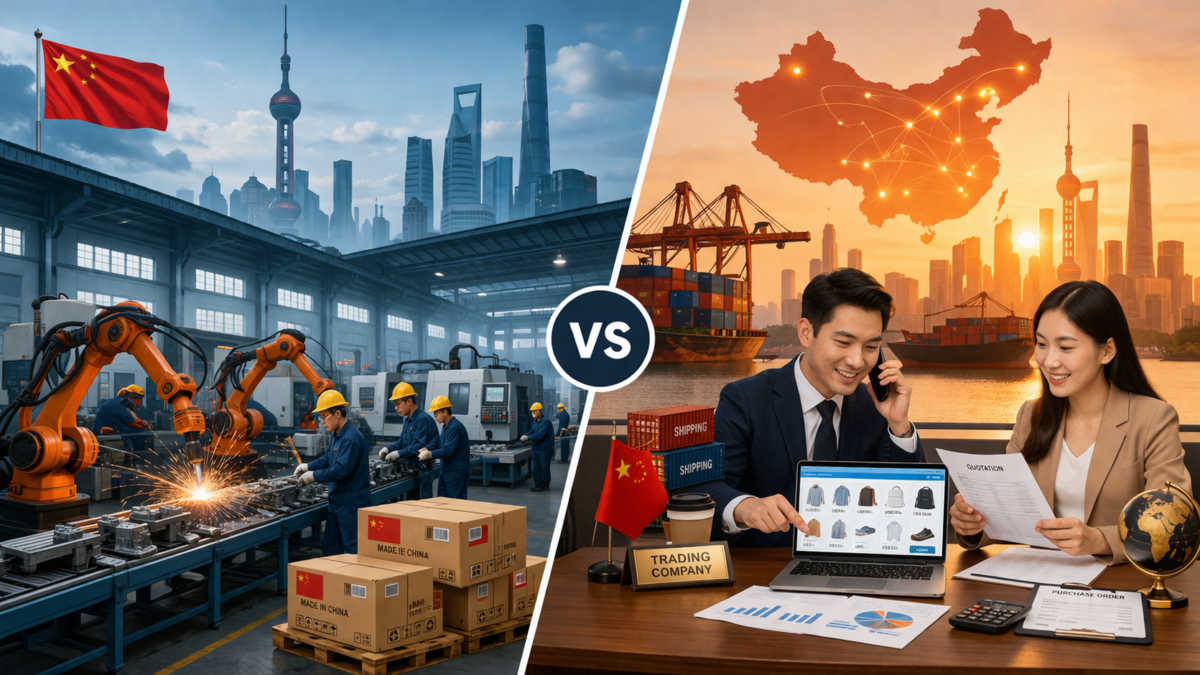
Our sourcing services help beauty businesses work directly with verified manufacturing factories in China, not middlemen.
Our role is to ensure you get the product that fits your brand, your budget, and your market requirements—without the typical risks involved in China sourcing.
Our on-ground team in China has built strong relationships with a diverse network of factories over many years. Because of this long-term trust and volume-based collaboration, we are able to secure:
-
Lower MOQs even for new brands
-
Better pricing through negotiated factory partnerships
-
Priority production slots
-
More flexibility in formula, packaging, and customization
This direct access gives you a competitive advantage that most new importers or private-label brands cannot achieve on their own.
How We Handle the Complications of Sourcing & Exporting (So You Don’t Have To)
Working with China factories involves multiple steps, each with potential complications. We manage the entire process end-to-end:
1. Factory Verification & Audit
We verify supplier credentials, certifications (ISO, GMP, MSDS), production capabilities, and quality systems before you work with them.
2. Sample Development & Product Matching
Whether you need a trending formulation, a custom formula, or a product matched exactly to a global brand—we manage the sampling, revisions, and quality alignment.
3. Negotiation of Contracts, MOQ & Pricing
Our team negotiates directly with factories to secure:
-
Lower MOQs
-
Bulk pricing
-
Custom packaging rates
-
Transparent costing with no hidden charges
4. Quality Control During Production
We conduct inspections at 3 stages:
-
Pre-production material check
-
Mid-production inspection
-
Final random inspection before shipment
You receive videos, photos, and inspection reports.
5. Export & Compliance Handling
We manage:
-
Export documentation
-
HS codes
-
Label compliance (India, EU, GCC, US markets)
-
Packaging safety
-
Shipping coordination (air, sea, courier)
6. Risk & Issue Resolution
If anything goes wrong—defects, packaging mistakes, delays—we handle it directly with factories, ensuring you do not bear unnecessary losses.
Recommended Product Categories to Start With
-
Professional Hair Care – highest repeat purchase rate
-
Nail Supplies – extremely high margins
-
Lash & Brow Supplies – fast-moving & lightweight
-
Salon Disposables
-
Skincare Consumables
-
Barber Supplies
-
Tools & Equipment
7. Product Selection Strategy
✔ Keep 60–70% essential staples
✔ 20% trending beauty products
✔ 10–15% high-margin private label products
Examples of expected High-Demand SKUs in 2026
-
Peptide repair shampoos
-
Scalp care solutions
-
Professional hair color
-
Keratin & bond repair kits
-
Nail gels & accessories
-
Acne patches
-
Facial devices
-
Clean beauty skincare
8. Negotiating Supplier Terms
When negotiating with suppliers, it’s important to look beyond just getting the lowest price. Strong supplier partnerships can unlock far more valuable benefits for your business—such as lower MOQs, better payment terms (like Net 30 or Net 60), faster lead times, and even exclusive territories for your region. Many factories also offer additional advantages when relationships are built correctly, including marketing materials, free samples or testers, and clearer return or damage policies. By focusing on the full value of the partnership—not just cost—you secure long-term strategic benefits that support your brand’s growth.
9. Setting Up Operations
Setting up smooth operations is just as important as sourcing the right products. A well-organized warehouse—with proper racks and shelving, climate-controlled areas for skincare, a barcode and labeling system, dedicated packing stations, and security cameras—ensures fast, accurate fulfillment. Equally essential is choosing the right software: inventory management tools like Zoho, Cin7, or DEAR; a wholesale B2B portal via Shopify B2B, Faire, or Handshake; a reliable CRM; and accounting systems such as QuickBooks or Zoho Books. For logistics, establish a mix of local delivery options, courier integrations (FedEx, UPS, BlueDart, DHL), trusted freight forwarders for imports, and pallet shipping solutions for salons and retail buyers. Together, these elements form the backbone of a scalable, efficient beauty distribution business.
10. B2B Marketing Strategy for Wholesale Beauty
Your Key Value Proposition Should Communicate:
-
What makes your assortment unique
-
Why your pricing is competitive
-
Your expertise or specialization
-
Fast delivery & reliability
-
Product education & certifications
Top Marketing Channels
-
SEO-optimized website
-
Instagram, TikTok, Pinterest (beauty buyers are extremely active here)
-
Google search ads
-
WhatsApp business catalog
-
Email marketing & SMS
-
Beauty school partnerships
-
Trade shows & salon visits
Keep following the consulting company articles like these to get latest updates about what is going on in beauty industry.
11. Customer Retention & Loyalty
Repeat buyers create 70% of wholesaler profits.
Retention Strategies
-
Volume-based tier pricing
-
Free samples for new launches
-
Education workshops (hair color, nail art, skincare)
-
Loyalty reward programs
-
Priority shipping for top clients
-
Exclusive pre-launch access
12. Scaling Your Beauty Wholesale Business
Growth Options
-
Add new product categories
-
Create private-label beauty brands
-
Geographic expansion
-
Open a showroom
-
Build a B2B ordering app
-
Acquire smaller wholesalers
-
Add dropshipping for e-commerce sellers
Most Profitable Expansion Path
Private label beauty products
Margins can jump from 25% to 60–80%
Examples: shampoos, serums, acne patches, nail care, skincare kits.
13. Case Studies
Case Study 1: U.S. Haircare Wholesaler
A Los Angeles-based haircare distributor started with $40,000 inventory focusing on:
-
Professional hair color
-
Bleach & developer
-
Bond repair systems
Result in 12 months:
-
$1.1M in revenue
-
500+ salon clients
-
Expanded into private-label masks and oils
Case Study 2: India Nail Supply Wholesaler
A Pune-based entrepreneur sourced nail gels and acrylics from China.
Initial investment: $18,000
What worked:
-
Targeted nail techs on Instagram
-
Sold starter kits
-
Offered training workshops
Outcome:
Expanded into 250+ SKUs and now supplies 120 salons.
Final Conclusion
Starting a wholesale beauty supply business is a high-potential venture—provided you build strong supplier relationships, manage inventory wisely, invest in customer experience, and choose a profitable niche.
By staying ahead of trends, ensuring regulatory compliance, and delivering real value to salons and beauty professionals, you can create a scalable multi-million-dollar wholesale operation.
If you want assistance sourcing high-quality beauty products, private label manufacturing, or connecting with audited factories in China,Nexofetch can help .Get in touch with us today.