The Complete Guide to Import Toys from China: Your Path to Profitable Business Success
March 5, 2026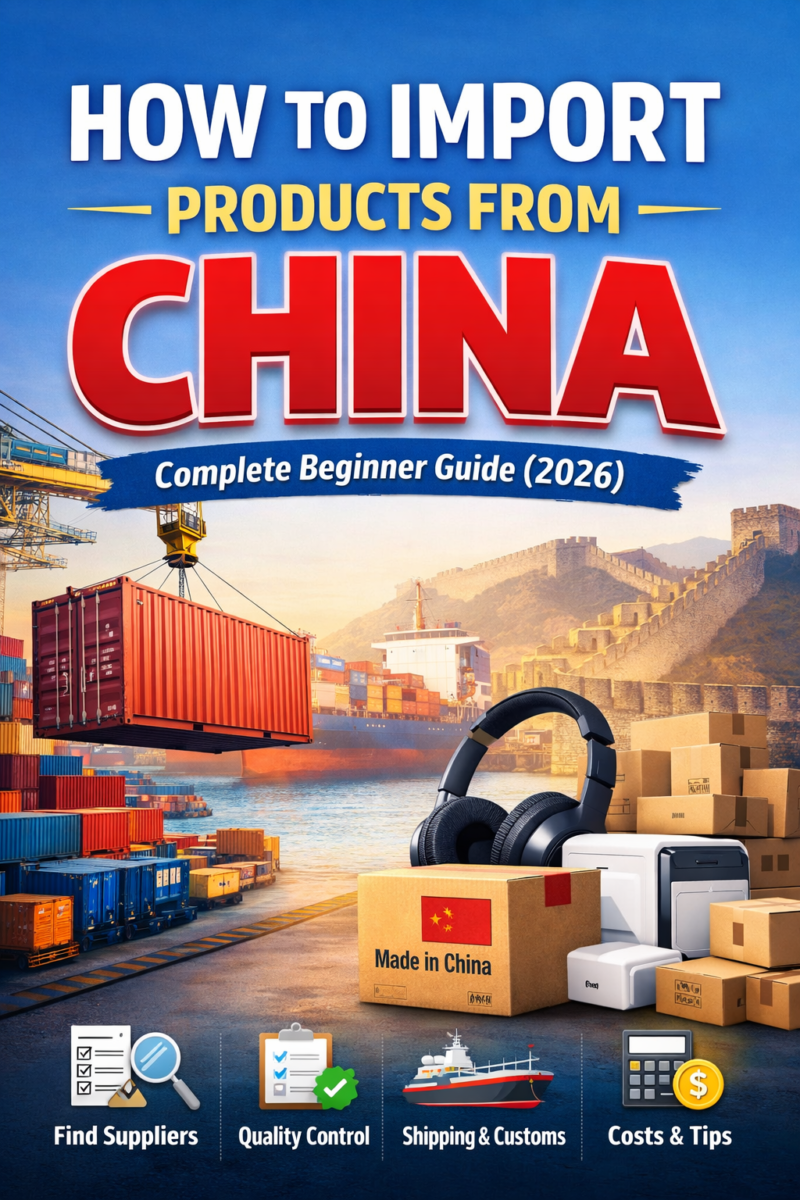
How to Import Products from China: Complete Beginner Guide (2026)
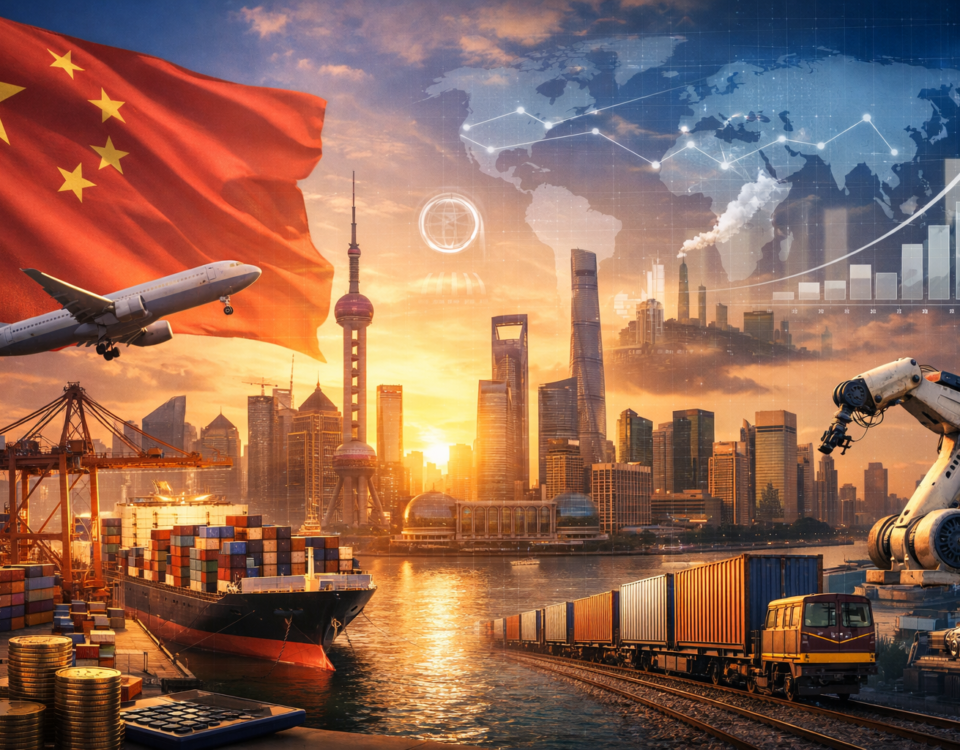
Global trade has transformed the way businesses operate. Today, a startup in the United States, a retailer in the United Kingdom, or an ecommerce entrepreneur in Australia can source products from factories thousands of miles away and sell them profitably in their own markets. At the center of this global supply chain stands China, the world’s largest manufacturing hub.
For decades, businesses across industries have relied on Chinese factories to produce everything from electronics and household items to beauty products, baby accessories, packaging materials, and industrial components. China’s manufacturing ecosystem combines advanced production capabilities, massive supplier networks, and competitive pricing—making it a preferred sourcing destination for companies around the world.
However, for beginners, the idea of importing products from China can feel intimidating. Questions often arise such as:
-
How do I find reliable suppliers?
-
What is the minimum order quantity?
-
How do I avoid scams or poor quality products?
-
How does shipping and customs clearance work?
Understanding how to import from China involves learning a structured process—from product research and supplier sourcing to quality inspection and logistics.
This comprehensive guide will walk you through every stage of importing products from China in 2026, helping entrepreneurs, ecommerce sellers, and businesses understand how to build a successful international sourcing strategy.
Why Businesses Import Products from China
Before learning the steps involved in importing goods, it is useful to understand why China continues to dominate global manufacturing.
Competitive Manufacturing Costs
One of the primary reasons businesses import from China is cost efficiency. Over the years, China has developed specialized manufacturing clusters where factories, suppliers, and raw material providers operate within close proximity. This ecosystem reduces production costs and increases efficiency.
For example, entire regions of China specialize in specific industries such as electronics, textiles, toys, packaging, beauty products, or kitchenware. When production ecosystems are concentrated in this way, factories can source raw materials quickly and produce goods at scale.
Lower manufacturing costs allow businesses importing from China to maintain healthy profit margins while still offering competitive retail prices.
Businesses often rely on professional sourcing companies to simplify the wholesale product sourcing process. A sourcing company can help in wholesale product sourcing from China to identify verified manufacturers and manage production efficiently.
Massive Product Variety
China manufactures an extraordinary range of products across nearly every consumer and industrial category. Whether you are sourcing fashion accessories, silicone baby products, beauty items, electronics, or packaging materials, there is a high probability that Chinese factories already specialize in that product category.
For entrepreneurs launching ecommerce brands or retailers expanding product lines, this diversity of manufacturing capabilities makes China an ideal sourcing destination.
Flexible Manufacturing and Customization
Another advantage of working with Chinese manufacturers is their flexibility. Many factories offer OEM (Original Equipment Manufacturer) and ODM (Original Design Manufacturer) services, which allow businesses to customize products according to their brand.
Many Chinese factories offer OEM and private label manufacturing services that allow businesses to build their own branded products
Customization may include:
-
product design modifications
-
color variations
-
logo printing
-
custom packaging
-
branded instruction manuals
This capability allows businesses to develop unique products and build recognizable brands in their markets.
Established Global Logistics Infrastructure
China has invested heavily in international trade infrastructure, including modern ports, airports, rail networks, and shipping facilities. Major ports such as Shanghai, Shenzhen, and Ningbo handle millions of containers annually.
These logistics capabilities ensure that goods manufactured in China can be shipped efficiently to almost any country in the world.
Step 1: Identify the Right Product to Import
The first step in learning how to import from China is selecting the right product. This decision plays a crucial role in determining whether the business will be profitable.
Choosing the wrong product can result in high inventory costs, slow sales, or regulatory issues. Therefore, careful research is essential before beginning the sourcing process.
Analyze Market Demand
Before importing a product, entrepreneurs should evaluate whether sufficient demand exists in their target market. This can be done by analyzing ecommerce marketplaces such as Amazon, eBay, or regional platforms.
Market research tools can help identify trending products, customer reviews, and competitor pricing. Observing what customers are already buying provides insight into which product categories may perform well.
Evaluate Profit Margins
Importing involves multiple costs beyond the manufacturing price. Businesses must consider:
-
product manufacturing cost
-
packaging costs
-
shipping and logistics
-
customs duties and taxes
-
warehousing and fulfillment
-
marketing and advertising expenses
A product that appears inexpensive at the factory level may become significantly more expensive after adding logistics and import fees. Calculating total landed cost helps ensure that profit margins remain sustainable.
Understand Product Regulations
Some product categories are subject to regulatory requirements in certain countries. For example:
-
electronics may require safety certifications
-
cosmetics may require ingredient approvals
-
toys may require testing standards
-
food products may require health certifications
Understanding these requirements early in the process prevents delays or rejected shipments during customs clearance.
Step 2: Find Reliable Suppliers in China
Once the product idea is finalized, the next step is identifying potential suppliers. This stage is extremely important because the success of your import operation depends heavily on choosing the right manufacturer.
There are several common methods for finding Chinese suppliers.
Online B2B Marketplaces
The most widely used sourcing platforms include Alibaba, Made-in-China, and Global Sources. These websites allow buyers to search for suppliers based on product category, location, certifications, and production capabilities.
Many suppliers on these platforms provide product catalogs, pricing estimates, and company profiles. However, buyers should remember that these platforms host both manufacturers and trading companies.
Therefore, additional verification is necessary before establishing business relationships.
Trade Shows and Exhibitions
International trade fairs provide opportunities to meet manufacturers face-to-face. Events such as the Canton Fair in Guangzhou attract thousands of suppliers and global buyers each year.
Meeting suppliers in person allows buyers to inspect product samples, discuss customization options, and build trust before placing orders.
Working with Sourcing Companies
Many businesses choose to work with sourcing companies that specialize in supplier identification and supply chain management. A sourcing partner located in China can help evaluate factories, negotiate prices, monitor production, and coordinate logistics.
This approach is particularly helpful for businesses that lack local presence or experience in the Chinese manufacturing landscape.
Step 3: Verify Supplier Credibility
After identifying potential suppliers, it is essential to verify their credibility before placing any order.
Supplier verification helps protect buyers from unreliable manufacturers or fraudulent businesses.
Company Registration and Documentation
A legitimate Chinese manufacturer should be able to provide business registration documents and company information. These documents confirm that the supplier is legally registered and authorized to conduct business.
Factory Certifications
Depending on the product category, manufacturers may hold certifications such as ISO quality management systems or compliance with international product standards.
Reviewing certifications helps buyers evaluate whether the factory meets industry requirements.
Request Product Samples
Before committing to bulk orders, buyers should request product samples. Samples allow buyers to assess quality, materials, durability, and packaging.
Testing samples also helps confirm whether the product meets customer expectations.
Skipping the sample stage is one of the most common mistakes beginners make when importing from China.
Step 4: Negotiate Pricing and Order Terms
Negotiation is a standard part of international trade. After selecting a suitable supplier, buyers should discuss pricing, minimum order quantities, and payment terms.
Minimum Order Quantity (MOQ)
Most factories require a minimum order quantity to justify production setup costs. MOQs vary widely depending on the product type and manufacturing complexity.
However, some suppliers may agree to smaller orders for new customers, especially if long-term business potential exists.
Unit Pricing
Pricing typically decreases as order quantities increase. Businesses should compare quotes from multiple suppliers to understand the average market price.
Negotiating pricing may involve adjusting order volume, packaging options, or material specifications.
Payment Terms
The most common payment structure for importing from China involves a partial deposit before production begins and the remaining balance before shipment.
Secure payment methods such as bank transfers or escrow services can help protect buyers during the transaction process.
Step 5: Product Customization and Branding
Many businesses importing from China are not simply purchasing generic products. Instead, they aim to build recognizable brands.
Chinese factories often support private label manufacturing, allowing businesses to customize product appearance and packaging.
Customization may include:
-
adding brand logos
-
designing custom packaging
-
selecting unique colors or materials
-
modifying product specifications
Clear communication with the supplier is essential during this stage to ensure that production matches the agreed design and branding requirements.
Step 6: Quality Inspection
Quality control is one of the most important aspects of importing products from China.
Even experienced manufacturers can occasionally produce defective goods due to production errors or miscommunication.
To minimize risks, buyers often conduct inspections at different stages of production.
Pre-production Inspection
This inspection ensures that raw materials and components meet agreed specifications before manufacturing begins.
During Production Inspection
Mid-production inspections verify that manufacturing processes are consistent and that product quality remains stable.
Pre-shipment Inspection
The final inspection occurs once production is complete but before goods are shipped. Inspectors randomly examine samples from the finished batch to confirm product quality and packaging accuracy.
Professional inspection services can help identify problems before shipments leave the factory.
Step 7: Arrange Shipping and Logistics
Once the products are manufactured and inspected, the next step is arranging transportation.
Shipping goods internationally requires coordination between manufacturers, freight forwarders, and customs authorities.
There are several shipping options available.
Sea Freight
Sea freight is the most common method for transporting large shipments. Although shipping times may take several weeks, sea freight offers lower costs for heavy or bulky cargo.
Air Freight
Air freight is significantly faster but more expensive than sea shipping. Businesses often use air freight for urgent shipments or high-value products.
Express Courier
Courier services such as DHL or FedEx are typically used for small shipments, product samples, or urgent deliveries.
Choosing the appropriate shipping method depends on shipment size, urgency, and budget.
Step 8: Understand Shipping Terms (Incoterms)
International trade relies on standardized shipping terms known as Incoterms.
These terms define responsibilities between buyers and suppliers regarding transportation, insurance, and customs procedures.
Some commonly used Incoterms include:
EXW (Ex Works) – the buyer arranges transportation from the supplier’s factory.
FOB (Free on Board) – the supplier delivers goods to the export port and handles export clearance.
CIF (Cost, Insurance, and Freight) – the supplier arranges shipping and insurance to the destination port.
Understanding these terms helps clarify responsibilities and prevents misunderstandings between buyers and suppliers.
Step 9: Customs Clearance and Import Duties
When goods arrive in the destination country, they must pass through customs clearance procedures.
Importers typically need to provide documents such as:
-
commercial invoice
-
packing list
-
bill of lading
-
product certifications if required
Customs authorities may charge import duties or taxes depending on the product category and national regulations.
Freight forwarders or customs brokers often assist importers in managing these procedures efficiently.
Step 10: Delivery and Distribution
After customs clearance, the shipment is transported to the final destination.
Depending on the business model, products may be delivered to:
-
warehouses
-
retail stores
-
ecommerce fulfillment centers
Many online sellers ship goods directly to third-party fulfillment services such as Amazon warehouses.
At this stage, the products are ready for sale in the market.
Common Mistakes When Importing from China
While importing from China offers significant advantages, beginners often make mistakes that can lead to financial losses.
Some common mistakes include:
-
choosing suppliers based solely on low prices
-
skipping product sample evaluation
-
failing to conduct quality inspections
-
misunderstanding shipping costs and import duties
Avoiding these mistakes helps ensure a smoother importing process.
How a China Sourcing Partner Can Help
Managing the entire import process independently can be challenging, especially for businesses new to international trade.
Sourcing companies help simplify this process by providing services such as:
-
supplier identification and verification
-
price negotiation
-
product development support
-
production monitoring
-
quality inspection
-
shipping coordination
Working with experienced sourcing professionals can reduce risks and improve efficiency.
Conclusion
Importing products from China offers tremendous opportunities for businesses seeking competitive manufacturing costs and access to a vast supplier network.
Although the process may appear complex at first, understanding each stage—from product research and supplier verification to shipping and customs clearance—makes international sourcing much more manageable.
With proper planning, supplier evaluation, and quality control, businesses can successfully build profitable supply chains by importing products from China.
Frequently Asked Questions (FAQ) About Importing from China
1. Is it profitable to import products from China?
Yes, importing products from China can be very profitable because Chinese manufacturers offer competitive pricing and large production capacity. Businesses can source products at lower costs and sell them in their local markets with higher margins. However, success depends on choosing the right products, working with reliable suppliers, and managing shipping and import costs effectively.
2. What is the minimum order quantity (MOQ) when importing from China?
Minimum order quantity (MOQ) varies depending on the product and manufacturer. Many factories require MOQs ranging from 500 to 3000 units, although some suppliers may accept smaller orders for new buyers. Negotiating MOQs or starting with sample orders is common when building relationships with suppliers.
3. How long does shipping from China take?
Shipping time depends on the shipping method used:
-
Sea freight: usually 25–45 days
-
Air freight: typically 5–10 days
-
Express courier (DHL, FedEx, UPS): around 3–7 days
Sea freight is the most economical option for large shipments, while air freight is used for urgent deliveries.
4. Is it safe to import products from China?
Yes, importing from China is generally safe if proper precautions are taken. Buyers should verify suppliers, request product samples, conduct factory inspections, and use secure payment methods. Working with experienced sourcing companies can further reduce risks.
5. What documents are required when importing products from China?
Common documents required for imports include:
-
commercial invoice
-
packing list
-
bill of lading or airway bill
-
import declaration forms
-
product certificates (if required)
These documents help customs authorities verify shipment details and calculate applicable duties.
6. How can I find reliable suppliers in China?
Reliable suppliers can be found through:
-
B2B marketplaces such as Alibaba or Made-in-China
-
international trade fairs like the Canton Fair
-
sourcing companies that specialize in supplier verification
Before placing orders, it is important to verify factory credentials and request product samples.
7. What are the common payment methods when importing from China?
The most common payment methods include:
-
bank transfer (T/T)
-
Alibaba Trade Assurance
-
letter of credit (L/C)
-
escrow payment services
A typical payment structure is 30% deposit before production and 70% balance before shipment.
8. What are Incoterms and why are they important?
Incoterms are international trade terms that define the responsibilities of buyers and sellers during shipping. Common Incoterms include EXW, FOB, and CIF. These terms clarify who is responsible for transportation costs, insurance, and customs procedures.
9. Do I need a sourcing agent to import from China?
While it is possible to import products independently, many businesses work with sourcing agents to simplify the process. A sourcing agent can help identify suppliers, negotiate prices, monitor production, and arrange inspections and shipping.
10. What are the biggest risks when importing from China?
The most common risks include:
-
unreliable suppliers
-
poor product quality
-
shipping delays
-
incorrect product specifications
These risks can be minimized by verifying suppliers, conducting inspections, and clearly documenting product requirements.
Need Help Importing from China?
Nexofetch helps businesses source products directly from verified manufacturers in China.
Our services include:
-
product sourcing
-
supplier verification
-
private label manufacturing
-
quality inspection
-
shipping coordination
If you are planning to import products from China, working with an experienced sourcing partner can simplify the entire process.
Feel free to Contact us to get a free quotation today .