
Beauty Products Sourcing from China: Unlocking Global Opportunities
January 13, 2026
The Complete Guide to Import Toys from China: Your Path to Profitable Business Success
March 5, 2026
Key Highlights
- A sourcing company simplifies importing by connecting you with reliable Chinese suppliers.
- Working with a sourcing agent helps you overcome language barriers and cultural differences.
- They manage crucial steps like supplier verification, price negotiation, and quality control.
- A good partner streamlines your supply chain, from production to final delivery.
- Using a sourcing company for your China sourcing needs can lead to significant cost savings.
- They provide peace of mind by handling complex logistics and customs clearance processes.
Introduction
Venturing into the world of China sourcing can open up incredible opportunities for your business. However, for beginners, the sourcing process can seem overwhelming. From finding trustworthy suppliers to navigating logistics, the journey is filled with potential challenges. This is where a sourcing company becomes your most valuable asset. By partnering with experts, you can simplify the entire process, avoid common pitfalls, and turn your product ideas into a successful reality with confidence. This guide will walk you through everything you need to know.
Understanding Sourcing Companies and Their Role in Importing from China
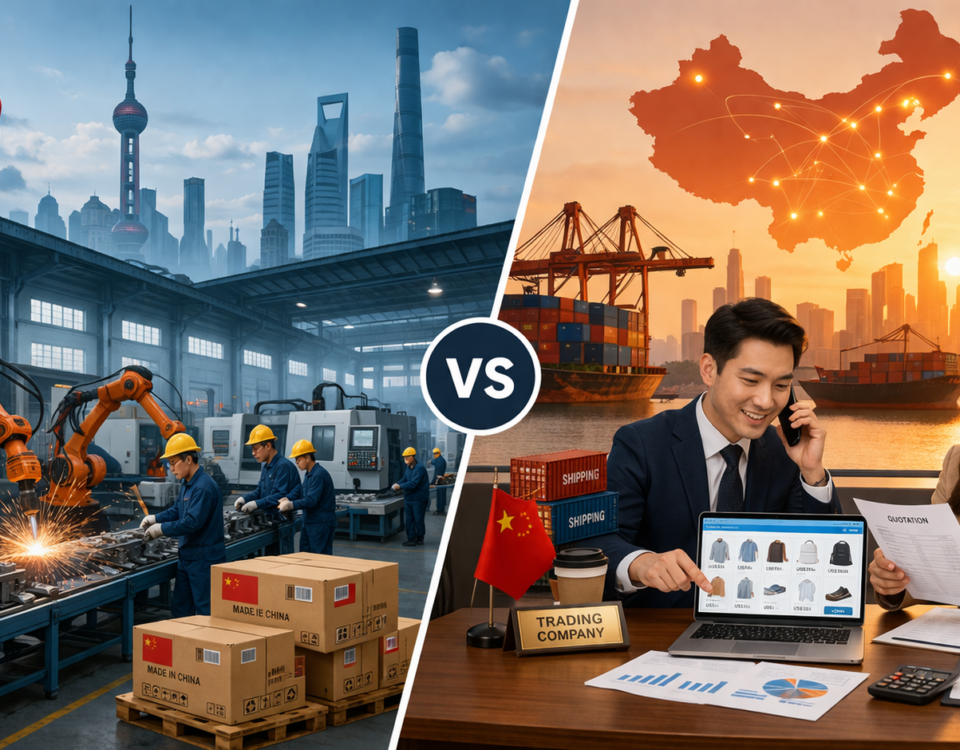
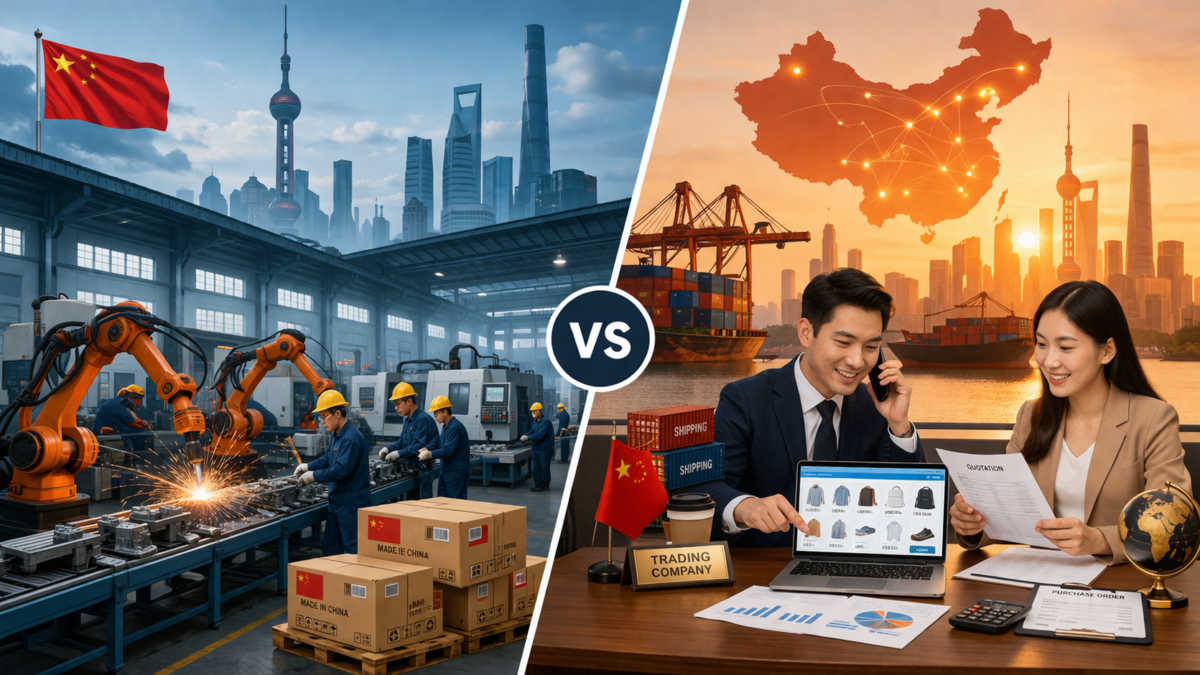
A sourcing company acts as your on-the-ground partner in China, bridging the gap between you and Chinese suppliers. Think of them as your professional guide, helping you navigate the vast manufacturing landscape. Their main role is to make product sourcing easier, safer, and more efficient for you.
Instead of you having to manage everything from supplier verification to negotiations, a sourcing agent handles these critical tasks. They leverage their local expertise and network to ensure you get high-quality products at competitive prices, making the import process much smoother. Let’s look closer at what they do and the advantages they offer.
What Is a Sourcing Company and How Do They Operate?
A sourcing company is a firm that helps businesses find, evaluate, and procure goods from overseas manufacturers. When importing from China, these companies serve as your local representatives, managing the entire sourcing process on your behalf. They act as a one-stop solution, handling everything from identifying suitable Chinese manufacturers to arranging the final shipment.
Their operation begins with understanding your product requirements. With years of experience, they tap into their extensive network to find factories that can meet your specifications. They then initiate contact, vet potential partners, and negotiate terms to get you the best deal possible.
Throughout the process, the sourcing company manages communication, oversees production timelines, and ensures your interests are protected. Their goal is to streamline your supply chain, making it a predictable and low-risk experience, especially for those new to importing.
Key Advantages of Using a Sourcing Company for U.S. Importers
Partnering with a sourcing agent offers significant benefits that can give your business a competitive edge. One of the biggest advantages is access to a pre-vetted network of reliable suppliers. This saves you the time and risk associated with finding and verifying manufacturers on your own.
A sourcing agent also plays a crucial role in quality control. They can conduct on-site factory inspections and product checks, ensuring that what you ordered is what gets delivered. This proactive approach helps prevent costly errors and maintains the integrity of your products.
Furthermore, leveraging a sourcing company often leads to substantial cost savings and other key benefits.
- Better Pricing: Agents use their negotiation skills and relationships to secure more favorable prices.
- Reduced Risk: They vet suppliers and manage production, minimizing the chance of fraud or poor quality.
- Streamlined Communication: They act as an intermediary, overcoming language and cultural barriers.
- Efficient Logistics: They handle the complexities of shipping, customs, and final delivery.
Common Challenges Faced by Beginners Importing from China
For new importers, the path to sourcing from China can be filled with obstacles. One of the first hurdles is supplier selection. With thousands of Chinese suppliers to choose from, distinguishing the reliable ones from the unreliable can be a major challenge. This is often complicated by communication barriers that lead to misunderstandings.
Ensuring you receive quality products is another common concern. Without a presence on the ground, it’s difficult to monitor production and verify that standards are being met. These challenges can result in delays, unexpected costs, and products that don’t meet your expectations. Let’s explore these issues in more detail.
Navigating Supplier Selection and Communication Barriers
Choosing the right supplier is one of the most critical steps in the import process. Beginners often make the mistake of selecting Chinese suppliers based on the lowest price alone, without verifying their credentials or production capabilities. This can lead to poor quality, missed deadlines, and even scams. A professional sourcing agent helps avoid this by conducting thorough due diligence on your behalf.
Communication barriers are another significant hurdle. Beyond simple language barriers, cultural differences in business practices can cause confusion and misaligned expectations. A simple request might get lost in translation, leading to incorrect product specifications or other costly errors.
A sourcing agent acts as your translator and cultural liaison, ensuring your needs are clearly understood. They help you avoid common pitfalls such as:
- Failing to provide detailed product specifications.
- Not verifying a supplier’s business license and certifications.
- Ignoring cultural nuances during negotiation.
Hidden Costs, Delays, and Quality Control Issues
Beyond initial production costs, beginners are often caught off guard by hidden costs that pop up throughout the supply chain. These unexpected expenses can quickly eat into your profit margins if you’re not prepared. Delays in production or the shipping process can also have a significant financial impact, affecting your ability to meet customer demand.
Quality control is another major risk area. Without proper oversight, you might receive a shipment of goods that don’t meet your quality standards, leaving you with unsellable inventory. This is why having a team on the ground to perform inspections is so important. A sourcing company manages these risks by providing transparency and oversight at every stage.
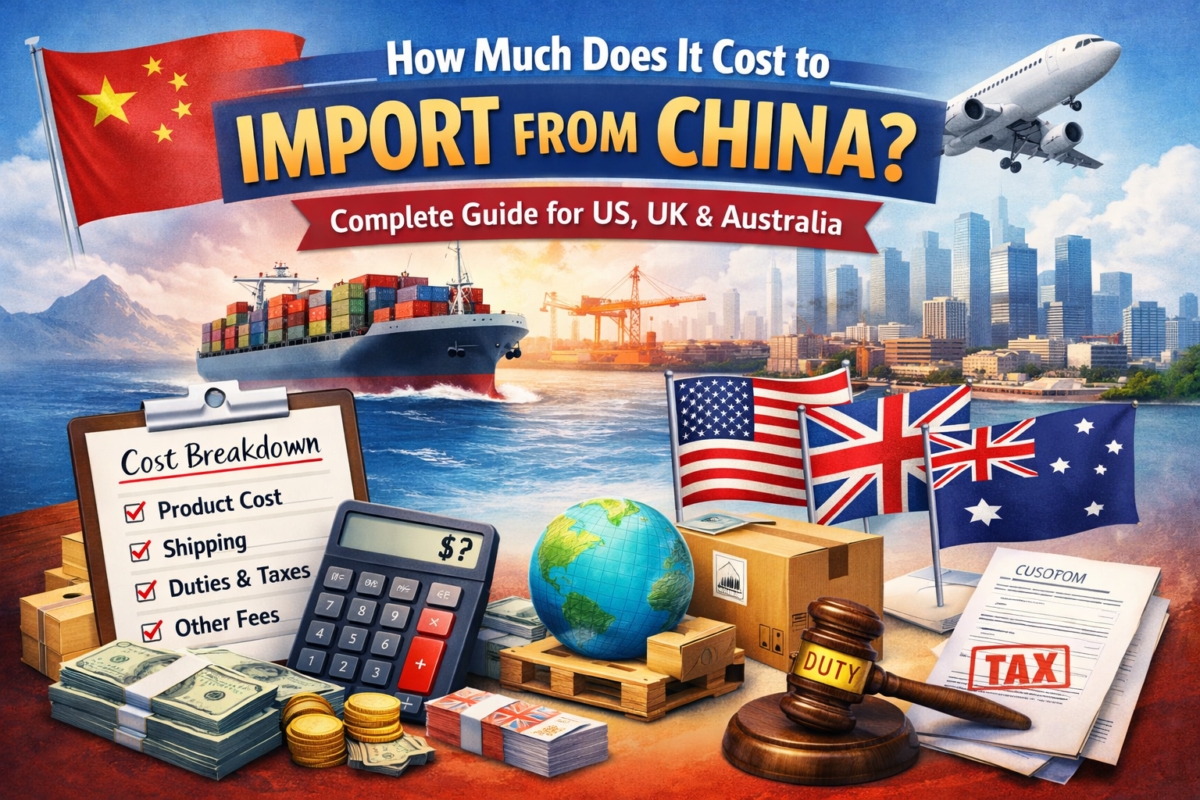
Here are some common hidden costs to be aware of:
| Potential Hidden Cost | Description |
|---|---|
| Mold Fees | One-time costs for creating custom molds for your product. |
| Pre-production Samples | Costs associated with getting physical samples before mass production. |
| Third-Party Inspections | Fees for independent quality control checks at the factory. |
| Import Duties & Taxes | Tariffs and taxes levied by the U.S. government on imported goods. |
| Shipping Insurance | Coverage to protect your goods against loss or damage during transit. |
Beginner’s Guide: Preparing to Import from China Through a Sourcing Company
Before you dive into the China sourcing process, proper preparation is key. This means clearly defining your business requirements and understanding what you need to get started. Having a solid plan will make your product sourcing journey smoother and help your sourcing company find the best partners for you.
This preparation phase involves gathering essential documents, identifying the right product for your market, and setting a realistic budget. Taking these steps will ensure you are ready to work effectively with your sourcing partner and achieve the desired product quality. Let’s break down what you need to do.
Essential Documents, Resources, and Business Requirements
To begin the import process, you’ll need to have your business affairs in order. This includes having a registered business and understanding the basic documents required for international trade. Your sourcing company can guide you, but being prepared will streamline everything.
Familiarize yourself with U.S. customs regulations to avoid compliance issues. Certain products have specific requirements, and knowing these in advance is crucial. A knowledgeable sourcing company can help you navigate these rules and ensure your goods clear customs without any hitches.
Here are some essential items you’ll need to prepare:
- Business License: Proof that you are a legitimate business entity.
- Product Specifications: A detailed document outlining your product’s design, materials, and features.
- Importer of Record (IOR) Number: Required for customs clearance in the U.S.
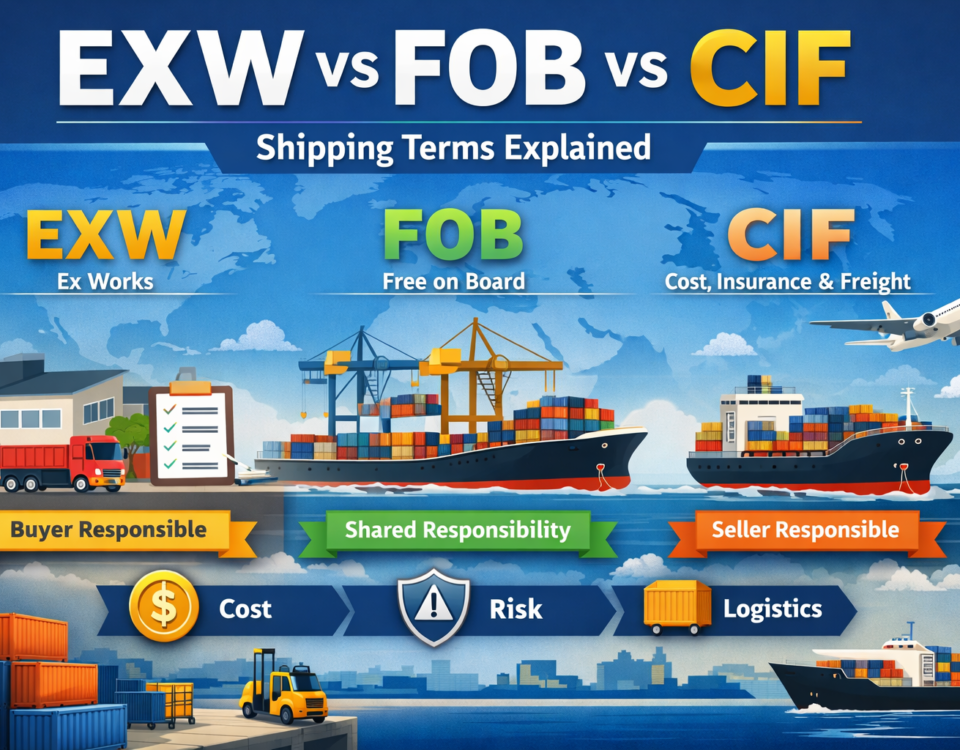
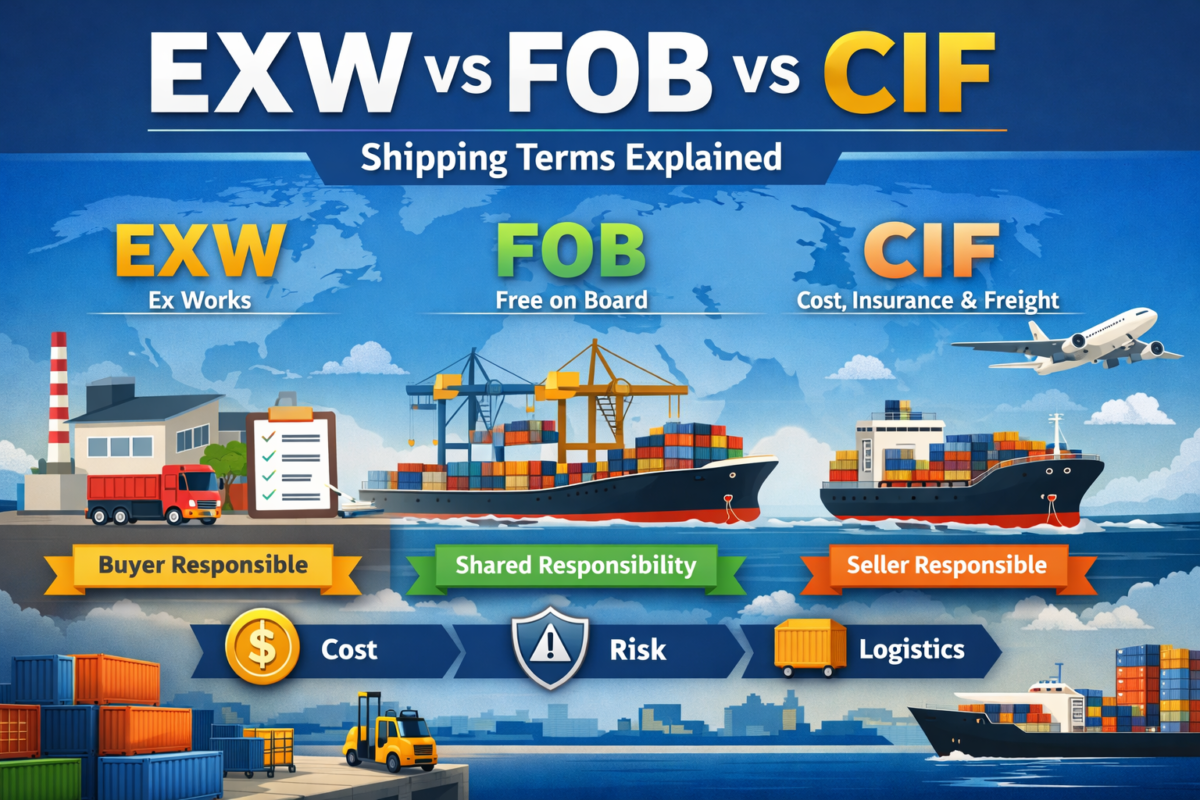
- Understanding of Incoterms: Familiarity with international commercial terms that define transaction responsibilities between buyer and seller.
Choosing the Right Product and Setting Your Budget
Successful product sourcing starts with choosing the right item to sell. Research your target market to identify products with high demand and reasonable competition. Your goal is to find a product where you can achieve good product quality and competitive prices, allowing for a healthy profit margin.
Once you have a product in mind, you need to set a realistic budget. This should cover not only the cost of the goods but also shipping, import duties, and the sourcing agent’s fees. Be mindful of the minimum order quantity (MOQ) set by factories, as this will impact your initial investment.
Consider these key points when selecting a product and setting your budget:
- Market Demand: Is there a real need for the product you want to sell?
- Profit Margin: Calculate all potential costs to ensure the product is profitable.
- Order Size: Determine if you can meet the MOQ without overextending your finances.
Step-by-Step Process for Importing from China with a Sourcing Company
Once you’re prepared, the sourcing process with a partner company follows a structured path. A good sourcing agent will guide you every step of the way, making the entire China sourcing journey manageable and transparent. This systematic approach ensures that nothing is overlooked, from finding the right factory to receiving your goods.
Following these steps helps streamline your supply chain and gives you a competitive edge by minimizing risks and maximizing efficiency. Let’s walk through the six key stages involved when importing with the help of a sourcing company.
Step 1: Research and Shortlist Reliable Sourcing Companies
The first and most crucial step is finding the right sourcing agent. Start by researching sourcing companies online through platforms like Alibaba, Global Sources, or by searching for industry-specific agents. Look for companies with a solid track record and positive client testimonials.
Conduct due diligence on your shortlisted candidates. A company with years of experience is often a good sign, but you should also check their areas of specialization. Some agents focus on specific product categories, like electronics or textiles, which can be a huge advantage if your product falls into their niche.
To find a trusted partner, consider these factors:
- Industry Experience: Do they have expertise in your product category?
- Transparency: Are their fees and processes clear and upfront?
- Client Reviews: What do past clients say about their services?
- Communication: Are they responsive and easy to communicate with?
Step 2: Initial Consultation and Defining Your Needs
After shortlisting potential sourcing companies, the next stage is the initial consultation. During this meeting, you will discuss your product idea and business goals in detail with the sourcing agent. This is your opportunity to communicate exactly what you are looking for, from product design to target price point.
Be prepared to provide a comprehensive product brief. The more detailed you are, the better the sourcing agent can understand your vision. This includes specifications, materials, packaging requirements, and any customization needs. If you are in the product development phase, a good agent can also offer valuable insights and suggestions.
Clear communication at this stage sets the foundation for a successful sourcing process. A professional sourcing agent will ask probing questions to ensure they have a complete picture of your requirements before they begin searching for suppliers. This alignment is critical for achieving your desired outcome.
Step 3: Supplier Verification and Price Negotiation
Once your sourcing agent understands your needs, they will begin the search for reliable suppliers. This involves more than just finding a factory that can make your product; it includes a thorough supplier verification process. Your agent will check business licenses, certifications, and production capacity to ensure you are dealing with a legitimate and capable manufacturer.
After identifying potential partners, the price negotiation begins. Experienced agents leverage their market knowledge and relationships to secure competitive pricing for you. They will negotiate not only the unit cost but also payment terms and the minimum order quantity to get you the best possible deal.
A crucial part of this step is often a factory audit. Your sourcing agent may visit the factory in person to assess its operations, quality control systems, and working conditions. This on-the-ground verification provides an extra layer of assurance that you are partnering with a quality supplier.
Step 4: Placing the Order and Arranging Payment
With a supplier selected and terms negotiated, you are ready for placing the order. Your sourcing agency will help you draw up a formal purchase agreement that outlines all the specifics, including product details, pricing, production timeline, and quality standards. This contract protects both you and the supplier.
The payment process is typically handled in stages. Most Chinese manufacturers require an upfront deposit (usually 30-50%) to begin production, with the remaining balance due upon completion or before shipment. Your sourcing agent will facilitate this process, ensuring secure payment transfers and clear communication with the factory.
Whether you’re ordering new products or placing large orders, it’s important to follow a structured payment plan.
- Upfront Deposit: Typically 30% of the total order value to start production.
- Balance Payment: The remaining 70% is usually paid after a pre-shipment inspection confirms the goods meet quality standards.
- Secure Methods: Use secure payment methods like telegraphic transfer (T/T) or a letter of credit.
Step 5: Quality Inspection and Shipment Preparation
Ensuring product quality is a critical step of the sourcing process. Your sourcing company will implement quality control measures throughout production. This might include periodic checks during manufacturing and a final, comprehensive inspection before the goods leave the factory. These measures are designed to catch any issues early.
A pre-shipment inspection is standard practice. The agent or a third-party inspector will visit the factory to check the finished products against your agreed-upon quality standards. They will verify specifications, functionality, appearance, and packaging. This is your last chance to address any problems before the final payment is made.
Once the goods pass inspection, the shipment preparation begins. Your agent will coordinate with the factory to ensure your products are correctly packaged, labeled, and ready for pickup by the freight forwarder. This careful preparation helps prevent damage during transit and ensures a smooth handoff to the logistics team.
Step 6: Customs Clearance and Final Delivery in the United States
The final stage of the shipping process is getting your products through U.S. customs and delivered to your door. The customs clearance process can be complex, involving a lot of paperwork and adherence to specific regulations. A sourcing agent often works with a freight forwarder to manage this for you, ensuring all documents are in order.
You will need to choose a shipping method, typically between air freight and sea freight. Air freight is faster but more expensive, making it ideal for smaller, high-value shipments. Sea freight is more cost-effective for larger volumes but takes significantly longer. Your agent can help you decide which option is best based on your budget and timeline.
Navigating this final step with an expert provides great peace of mind. They will manage:
- Freight Forwarding: Coordinating with shipping companies to transport your goods.
- Customs Documentation: Preparing and filing all necessary paperwork, like the commercial invoice and bill of lading.
- Final Delivery: Arranging for your products to be transported from the port to your warehouse or final destination.
Conclusion
In conclusion, importing from China through a sourcing company can be a game-changer for beginners looking to navigate the complexities of international trade. By leveraging the expertise of sourcing professionals, you can minimize risks, avoid common pitfalls, and streamline your import process. Understanding the essential steps—ranging from selecting the right sourcing company to ensuring quality control—will empower you to make informed decisions. As you embark on this journey, remember that preparation and research are key to successful importing. If you’re ready to take the next step, don’t hesitate to get in touch and explore how we can assist you with your importing needs!
Frequently Asked Questions
How much does it cost to import from China using a sourcing company?
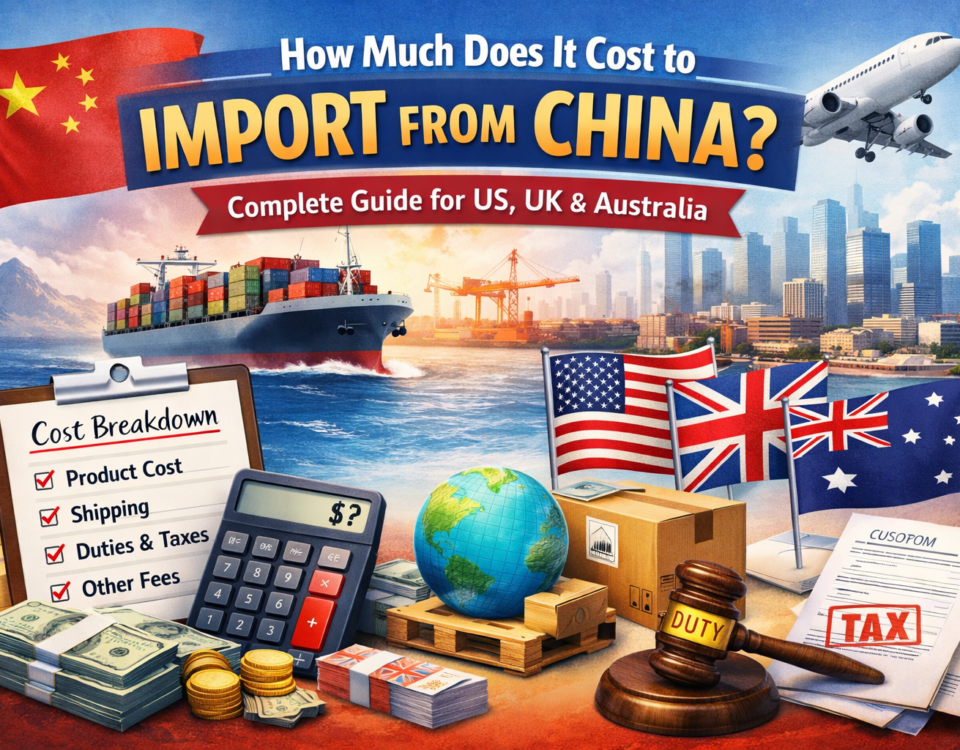
The cost varies, but many sourcing companies charge a commission of 3-10% of the total order value. Others may charge a flat fee for the sourcing process. While it’s an added expense, the cost savings from securing competitive prices and avoiding mistakes often make it a worthwhile investment for your product sourcing.
How do sourcing companies help with quality control and inspections?
A sourcing company implements quality assurance by conducting factory visits and pre-shipment inspections. They verify that products meet your specified quality standards before they are shipped, catching defects early. This hands-on quality control is crucial for ensuring you receive the goods you paid for.
What legal or customs requirements should I know as a U.S. importer?
As a U.S. importer, you’ll need to handle customs clearance, which requires documents like a commercial invoice and bill of lading. You also need to pay import duties. A sourcing agent helps with supplier verification and ensures all paperwork is correctly prepared to streamline the import process.
Can small businesses benefit from working with a China sourcing company?
Absolutely. Small businesses can gain a significant competitive edge by using a sourcing agent. They help negotiate better terms, manage a smaller order size, and handle the complexities of product sourcing. This access to professional support levels the playing field, making importing from China more accessible.